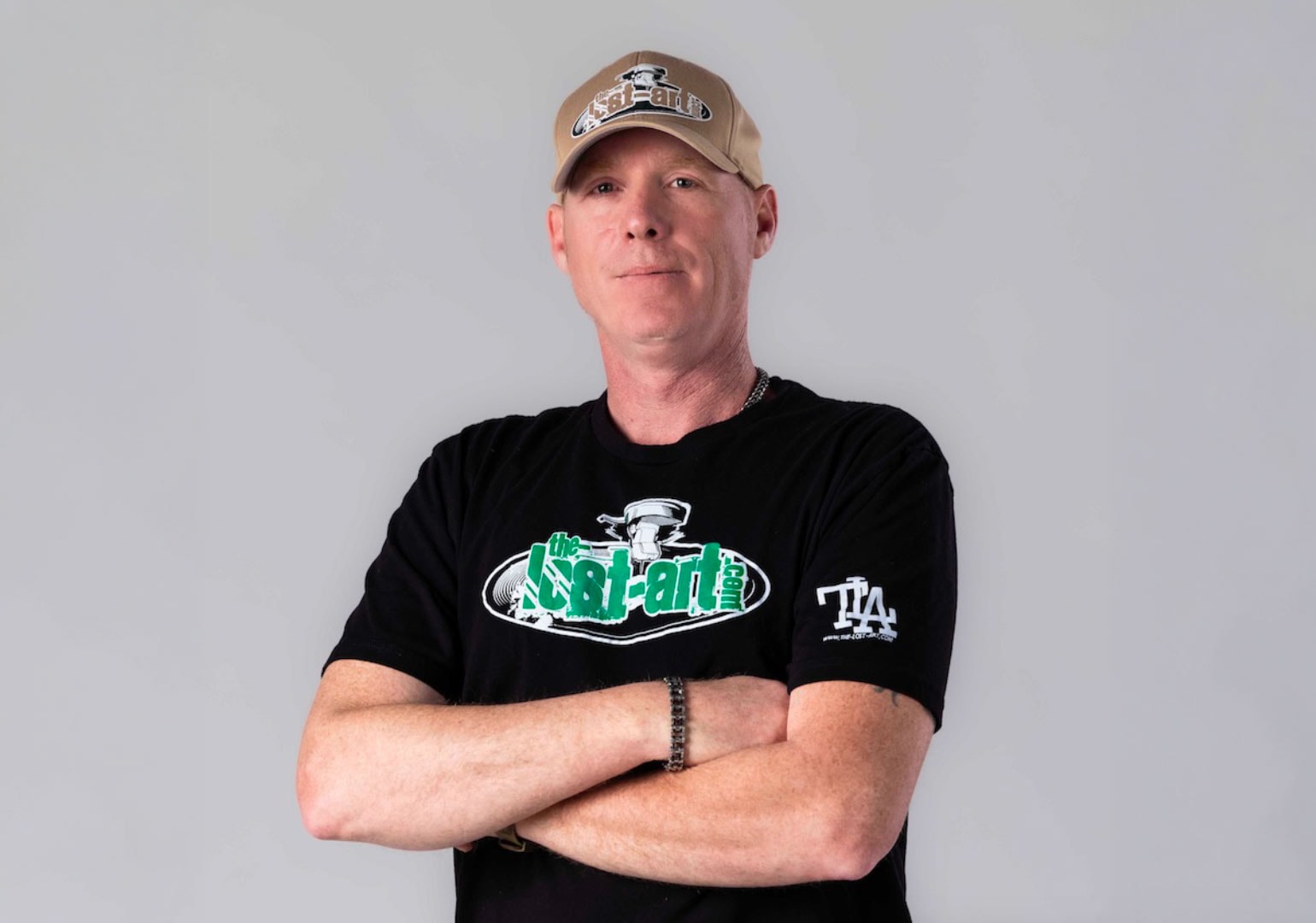
Most DJs crank their headphones as loud as possible and wonder why their mixes fall apart. DJ Natural Nate® has been doing the opposite for decades, and it is one of the biggest reasons his transitions are cleaner, faster, and more controlled than almost anyone else. This is Tip #3. The airplane analogy alone is worth the read.
The Mistake That Is Costing You Every Mix
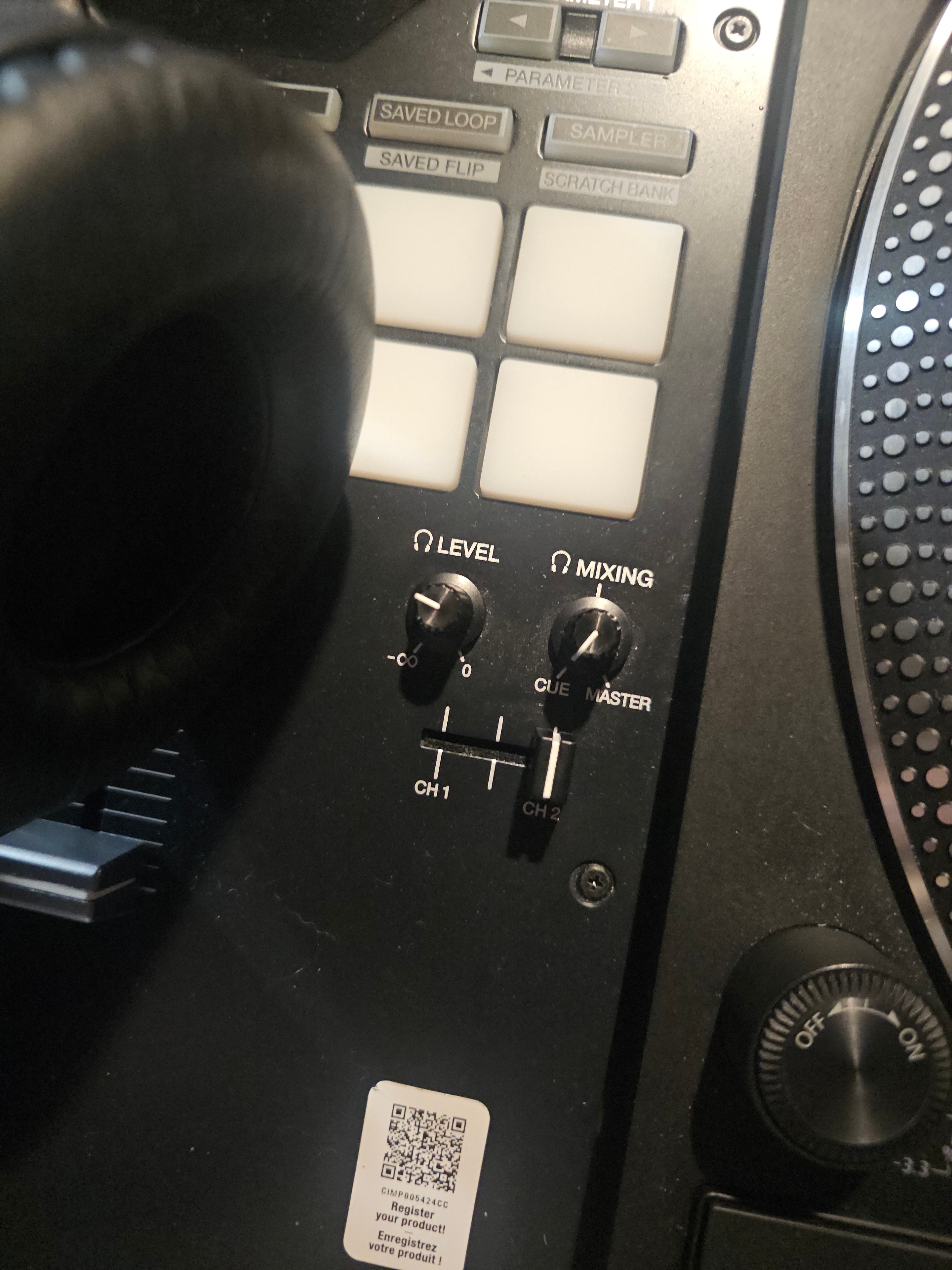
I have watched beginners make this mistake countless times. I have also watched experienced professional DJs, people who should know better, do the exact same thing. They crank their headphones up so loud that they actually make mixing harder instead of easier.
The funny part is they usually think louder means better. In reality, it often creates complete confusion. Your ears begin fighting between the live record blasting through the speakers and the record inside your headphones. The result is hesitation, second-guessing, and sloppy beatmatching. You start making corrections that were never necessary. You lose track of which record belongs to the audience and which record belongs to you. And the more you chase the problem, the worse it gets.
The fix is almost insultingly simple. Turn your headphones down.
Records Are Airplanes: The Analogy That Changed Everything
Over the years I developed my own way of thinking about records, and it completely changed how I approached mixing. I compare records to airplanes.
The record that is currently playing for the crowd is what I call the fueling plane. This aircraft never changes direction while it is fueling. It has one job, and that job is to continue flying smoothly without interruption until its mission is complete. The incoming record is another airplane waiting to receive fuel. This plane is constantly moving, making tiny corrections, speeding up, slowing down, climbing, descending, and lining itself up perfectly with the fueling plane before it can safely connect. On a turntable, those corrections are your pitch control and your hands. Every little adjustment is exactly like a pilot making tiny steering corrections in the sky until both aircraft are perfectly aligned.
That visualization completely changed the way I mixed records. Instead of thinking about forcing two songs together, I began thinking about carefully guiding one aircraft into another. Nothing is rushed. Everything is about precision. The incoming plane is always moving while the fueling plane remains steady. Once you begin thinking this way, beatmatching becomes much easier because your focus shifts toward making smooth adjustments instead of chasing mistakes.
The incoming record is another airplane waiting to receive fuel, constantly moving, making tiny corrections, lining itself up perfectly before it can safely connect. Every pitch adjustment is a pilot steering in the sky.
All You Need to Hear Is the Snare
My secret has always been to keep my headphone volume as low as possible. I only want enough volume to hear the most important rhythmic element that tells me whether the records are lined up. For me, that is usually the snare drum.
As long as I can clearly hear the snare hitting where it belongs, I really do not need much else. Everything else becomes secondary because once the framework of the beat is correct, the rest of the music naturally falls into place. I do not need to hear every instrument, every vocal, every hi-hat, every effect, and every detail of the incoming record. All of that extra information works against you. Your ears become overloaded trying to separate two songs playing at nearly identical volumes.
When both records become equally loud in your headphones, many DJs completely lose track of which record is playing through the speakers and which record is inside the headphones. At that point they begin making unnecessary pitch corrections because they can no longer distinguish one record from the other. The whole mix unravels, not because of a technical failure, but because of a volume knob.
Count Your Frames: Thirty-Two Beats at a Time
Long before digital waveforms existed, DJs learned to count music by feel. I personally call every thirty-two beats a frame. Every frame begins on beat one. Beat one is generally your bass drum or kick. Beat two is your snare. Beat three returns to the kick. Beat four lands back on the snare. This pattern continues over and over through the entire phrase.
Once you understand how to count those thirty-two beat frames, your confidence increases dramatically because you always know where the music is going. It no longer feels random. You know exactly when changes are coming, when vocals begin, when drops arrive, and when transitions should happen. Once both records are framed correctly, your only responsibility is making sure both records are traveling at exactly the same speed. That is where your pitch slider and your touch on the record become your steering wheel. Tiny corrections are all that are needed. Large corrections usually mean you waited too long or lost track of the beat.
One Plane Fuels Another: The Exchange That Never Stops
Keeping your headphone volume extremely low gives you another major advantage. Because your headphones are quiet, your ears remain focused on the audience record: the fueling plane, throughout the entire transition. You never lose connection with what the crowd is actually hearing. The incoming record remains just loud enough in your headphones for you to hear its snare and make your corrections, while the audience record continues dominating your hearing naturally through the room or booth monitors. This separation makes identifying each record incredibly easy.
As the two records finally reach equal volume and the transition begins, I switch my monitoring. The record that was originally entering the mix has now become the new fueling plane. I begin listening to that record more prominently while reducing the outgoing record inside my headphones. As I fade the old record away, I often remove its low frequencies and sometimes reduce portions of the highs depending on the style of mix I am creating. The old plane has completed its mission and safely flies away while the newly fueled aircraft continues forward carrying the audience into the next musical journey.
This constant exchange becomes almost automatic after enough practice. One plane fuels another. The next plane becomes the fueling plane. Then another arrives. The process repeats over and over for your entire set. Thinking about mixing this way keeps every transition organized in your mind instead of becoming a chaotic guessing game.
One lesson that took me years to fully understand is that you are not actually there to listen to your mix like the audience does. Your job during a live performance is not to sit back and enjoy the music. Your responsibility is to prepare the next transition before anyone even realizes it is happening. You record your mixes later so you can enjoy them afterward. During the performance, your focus is entirely different. Your ears are locked onto timing, phrasing, beatmatching, and especially the relationship between the snares of both records.
The better you become at controlling your headphone volume, the better your beatmatching becomes. Master your headphone levels, learn to count your frames, think of your records like airplanes performing mid-air refueling, and your mixes will become smoother, tighter, and more controlled than ever before. Technology has changed. DJ equipment has evolved. Software has become incredibly advanced. But the fundamentals of vinyl mixing have never changed. Learning to hear the right sounds instead of all the sounds is one of the biggest secrets to developing accurate beatmatching.
You are not there to listen to your mix like the audience does. Your job is to prepare the next transition before anyone even realizes it is happening. You record your mixes later so you can enjoy them afterward.
This is Tip #3. The series continues.