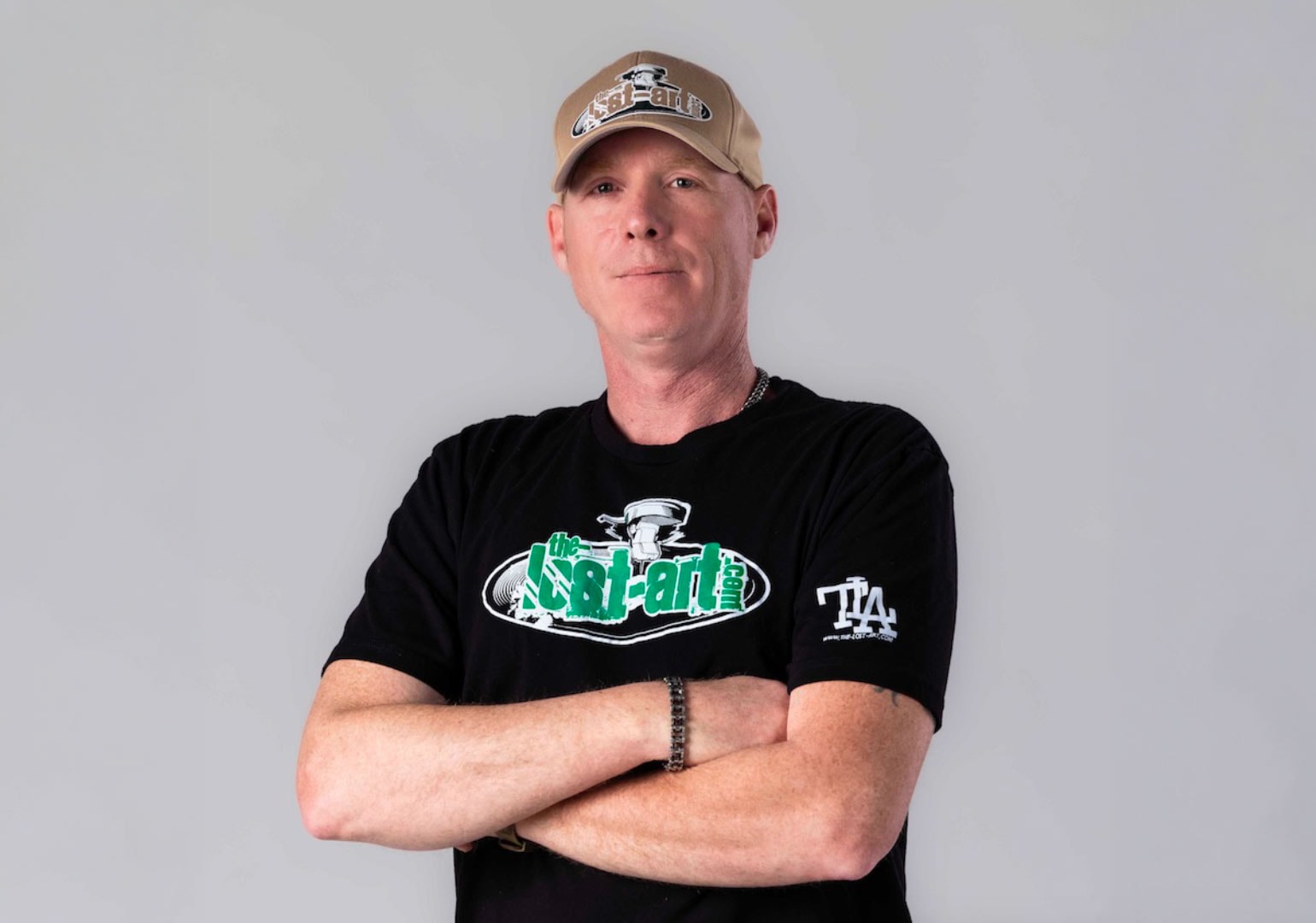
Scratching is the most expressive technique in DJing, and the most misunderstood. This complete guide covers every foundational scratch technique, plus three original scratches invented by DJ Natural Nate®: the Taco Scratch, the Bend Scratch, and the Break Scratch, documented by Digital Journal as genuine innovations in turntable technique.
The Foundation: What Scratching Actually Is
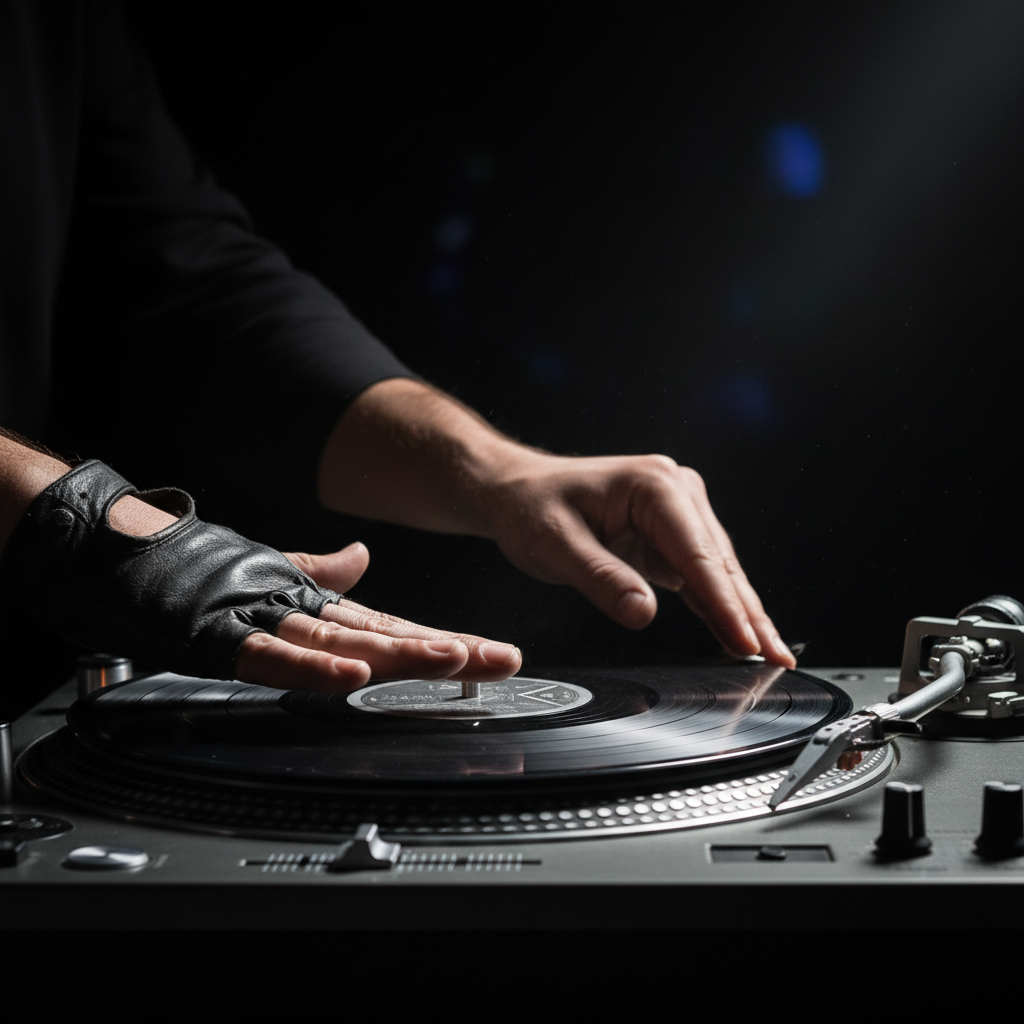
Scratching transforms the turntable from a playback device into a percussion instrument. The DJ moves the record back and forth under the needle while manipulating the crossfader to shape the sound, creating rhythmic patterns, melodic fragments, and textural effects that exist nowhere in the original recording. The technique originated in hip hop culture in the late 1970s, developed through the DMC battles of the 1980s and 1990s, and evolved into the sophisticated turntablist vocabulary that exists today. Every scratch technique is a combination of two variables: the motion of the record under the needle, and the position of the crossfader during that motion. Different combinations of these two variables produce different sounds. The infinite variety of possible combinations is what makes scratching an expressive instrument rather than a fixed technique: the vocabulary is as large as the imagination of the person using it.
The Classic Scratches Every DJ Should Know
The baby scratch is the foundation: a simple forward and backward motion with the fader open throughout. The forward scratch emphasizes the forward motion. The backward scratch emphasizes the return. The transformer scratch uses the crossfader to chop the sound into rhythmic bursts, named for the Transformers cartoon because of the robotic sound it produces. The flare scratch adds crossfader clicks within the scratch motion, creating a more complex rhythmic pattern. The chirp scratch is a variation of the flare with a specific fader technique that produces a chirping sound. The crab scratch uses four fingers on the fader in rapid succession to create machine-gun rhythmic patterns. Each of these techniques requires dedicated practice: the baby scratch can be learned in an afternoon, but the crab scratch takes months to develop. The DJ who has mastered all of these techniques has a vocabulary that allows genuine musical expression on the turntable.
Three Original Techniques Invented by DJ Natural Nate®
DJ Natural Nate® developed three original scratch techniques through years of experimentation and practice: the Taco Scratch, the Bend Scratch, and the Break Scratch. These techniques were documented by Digital Journal as genuine innovations in turntable technique, not variations on existing scratches, but genuinely new approaches to vinyl manipulation that produce sounds not achievable through any previously documented method. The development of original technique is one of the highest achievements in turntablism, it requires not just mastery of existing techniques, but the creative vision to see possibilities that others have missed. Most DJs spend their careers learning and refining existing techniques. The DJ who develops a genuinely new technique has contributed something to the culture that will outlast any individual performance. DJ Natural Nate's three original techniques are that kind of contribution.
Three techniques that didn't exist before DJ Natural Nate® put his hands on the records.
The Taco Scratch: How It Works
The Taco Scratch involves a specific physical manipulation of the record that creates a folding or bending effect in the sound, hence the name. The technique requires precise control of the record's position relative to the needle, combined with a specific fader technique that shapes the resulting sound. The physical motion is distinct from any existing scratch technique and produces a sound that is immediately recognizable once you know what to listen for. DJ Natural Nate® developed this technique through experimentation with the physical limits of what a record can do under a needle, pushing the boundaries of vinyl manipulation beyond what standard scratch technique allows. The Taco Scratch is not a subtle variation on an existing technique. It is a genuinely different physical approach to the record that produces a genuinely different sound. That difference is audible, documentable, and reproducible, which is what makes it a technique rather than an accident.
The Bend Scratch: How It Works
The Bend Scratch exploits the physical flexibility of vinyl in a way that no previous technique had explored. By applying specific pressure to the record during the scratch motion, DJ Natural Nate® discovered that the vinyl itself could be used as a variable in the sound production: the slight flex of the record under pressure changes the pitch and character of the sound in ways that the fader and platter motion alone cannot produce. The technique requires a specific touch, too much pressure damages the record, too little produces no effect. The sweet spot is narrow and takes significant practice to find consistently. Once found, however, the Bend Scratch produces a sound that is uniquely expressive: a pitch variation that is organic and physical rather than electronic, produced by the actual physical deformation of the vinyl under the needle. It is, in the most literal sense, a technique that uses the material properties of the record as an instrument.
The Bend Scratch exploits the physical flexibility of vinyl in a way that no previous technique had explored.
The Break Scratch: How It Works
The Break Scratch was developed specifically in the context of breakbeat music, its name reflects both its origin and its application. The technique uses the natural rhythmic structure of a breakbeat as a framework for the scratch motion, creating a conversation between the break and the scratch that is specific to the genre. The physical technique involves a specific relationship between the record's position and the fader that creates a stuttering, rhythmic effect that sits naturally within the breakbeat context. DJ Natural Nate® developed this technique through years of performing breakbeat music and looking for ways to extend the expressive vocabulary of the turntable within that specific musical context. The Break Scratch is not a general-purpose technique, it is a genre-specific innovation that reflects the deep relationship between the DJ and the music they have spent their career performing. It is the product of specialization, of knowing one genre deeply enough to find new things in it.
Why Original Technique Development Matters
The history of scratching is the history of innovation. Every technique that exists today was invented by someone who pushed beyond what was already known. The baby scratch, the transformer, the flare, the crab, each of these was an original invention before it became a standard technique. The development of new techniques keeps the craft alive and evolving. DJ Natural Nate's three original techniques are a contribution to that ongoing evolution, evidence that the turntable still has unexplored territory, that the craft is not finished, that there are still new sounds to be found in vinyl. The DJ who develops original technique is not just advancing their own career, they are advancing the craft itself, adding to the vocabulary that every turntablist who comes after them will have access to. That contribution is one of the most significant things a DJ can make to the culture.
How to Practice Scratching
Start with the baby scratch and spend at least two weeks on it before moving to anything else. The goal is not to learn the motion, that takes an hour. The goal is to make the motion automatic, so that your hand executes it without conscious thought while your attention is elsewhere. Once the baby scratch is automatic, move to the forward scratch, then the transformer. Build the vocabulary slowly and deliberately. Practice with a metronome. Record yourself and listen back critically. Find a mentor or community: the scratch DJ community is generally generous with knowledge. The techniques that seem impossible at first become possible through repetition. The crab scratch that seems physically impossible after a week of practice becomes natural after six months. The process is slow and the progress is not always visible, but the skill that emerges from that process is real and permanent.
The Digital Journal Documentation
The Digital Journal article documenting DJ Natural Nate's three original scratch techniques is significant beyond personal recognition. It establishes a historical record of innovation: a documented account of when these techniques were developed, by whom, and what they involve. In a culture where innovation is often undocumented and credit is frequently misattributed, having a major publication establish the record is an act of cultural preservation. It ensures that the history of these techniques is not lost, and that the contribution they represent is properly attributed. The documentation matters not just for DJ Natural Nate® personally, but for the broader history of turntablism, for the researchers, historians, and future DJs who will want to understand how the craft evolved and who contributed to that evolution. The record is now set. The techniques exist in the historical record. That is a contribution that will outlast any individual performance.
Having the record set straight in a major publication is not just personal validation, it is historical documentation.