Everyone calls their music underground. DJ Natural Nate®, who has spent 27 years in the actual underground, building communities, creating platforms, and refusing commercial shortcuts, explains what the word actually means, where the culture came from, and why it still matters in 2026.
What Underground Actually Means in Music
The word underground gets applied to almost any music that isn't on the radio. This is not what underground means. Underground music culture is defined not by its commercial status but by its values: authenticity over accessibility, community over commerce, craft over convenience. Underground culture is deliberately resistant to the mainstream, not because mainstream success is impossible, but because the values that define underground culture are incompatible with the compromises that mainstream success typically requires. A DJ who turns down a commercial booking because it conflicts with their artistic values is making an underground choice. A DJ who plays the same set every night because it's what the audience expects is making a mainstream choice, regardless of how obscure the music is.
The Birth of Underground Electronic Culture
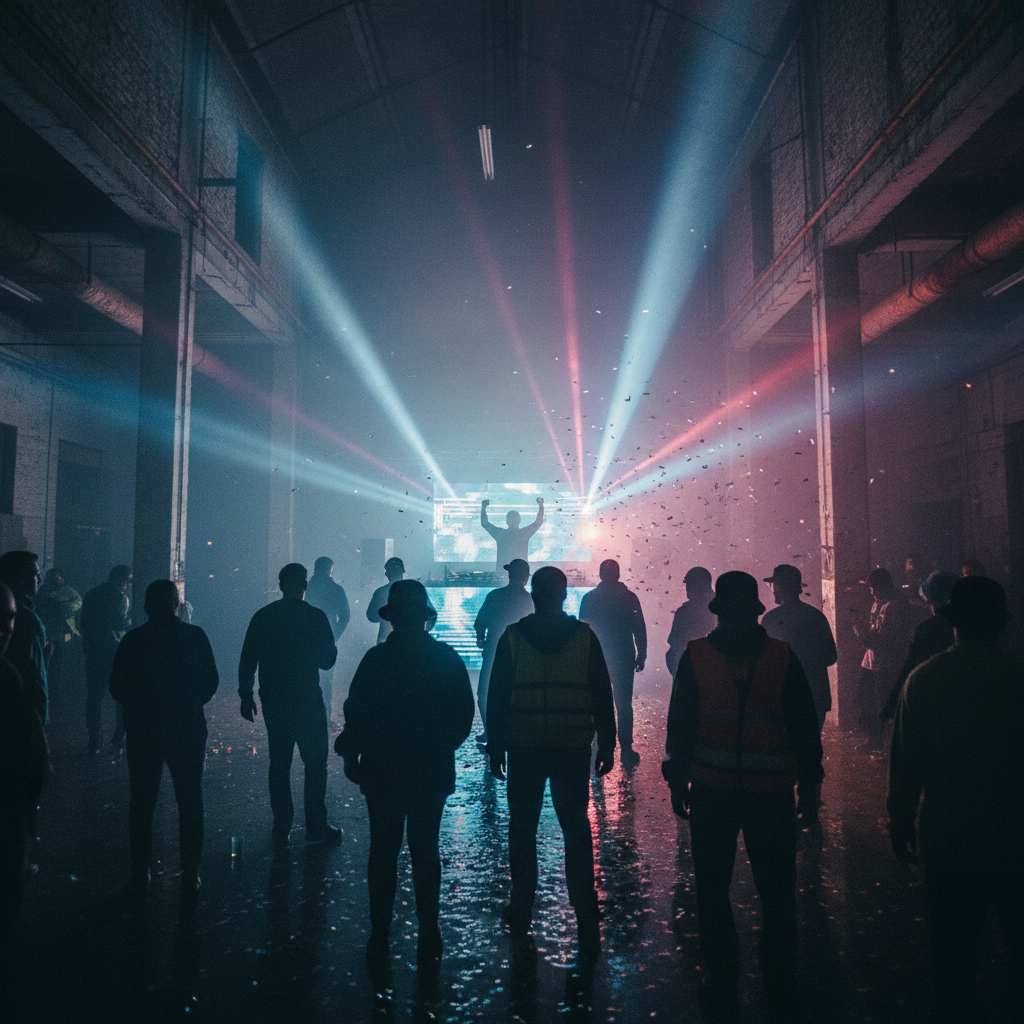
Underground electronic music culture was born in the warehouse parties and illegal raves of the late 1980s and early 1990s. The culture developed in the spaces that mainstream culture had abandoned, disused warehouses, empty fields, underground venues, and it thrived there because it had to. The absence of commercial infrastructure forced the culture to be self-sustaining: the promoters, the DJs, the sound system operators, and the audience were all part of the same community, all committed to the same values, all dependent on each other for the culture to survive.
Underground electronic culture was born in the spaces that mainstream culture had abandoned, and it thrived there because it had to.
Why Underground Music Resists Commercialization
The tension between underground culture and commercial success is not accidental. Underground culture is built on values that are genuinely incompatible with the priorities of the commercial music industry: authenticity over accessibility, community over profit, craft over convenience. When underground artists achieve commercial success, they face a choice: maintain the values that made them underground, or compromise those values to sustain the commercial success. Many choose compromise. The ones who don't, who maintain their underground values in the face of commercial pressure, are the ones who define what underground culture actually is.
The Role of the DJ in Underground Culture
The DJ is the central figure of underground electronic music culture in a way that has no parallel in other music genres. The DJ is simultaneously the performer, the curator, the cultural arbiter, and the community builder. The DJ's choices, what music to play, where to play it, for whom, under what conditions, define the culture of the events they perform at. A DJ who plays for the culture rather than for the money is making a statement about values that resonates throughout the community. DJ Natural Nate® has made that statement consistently for 27+ years.
DJ Natural Nate® and a Career Built Entirely Underground
DJ Natural Nate® has had opportunities to pursue commercial success throughout his career. He has chosen not to. This is not a failure of ambition, it is a deliberate choice based on a clear understanding of what underground culture is and why it matters. His career has been built on the values of the underground: authenticity, craft, community, and the belief that the music matters more than the money. That choice has cost him commercial opportunities. It has also given him something that commercial success cannot buy: a genuine place in the culture, a community that trusts him, and a legacy that is built on real achievement rather than marketing.
I have had opportunities to go commercial. I have chosen not to. That choice is the most important thing I have ever done as a DJ.
The-Lost-Art.com™ as an Underground Institution
The-Lost-Art.com™ embodies underground electronic music values in its design, its standards, and its community. The requirement that DJs perform visibly on camera, demonstrating real-time mixing skills rather than hiding behind a laptop, is an underground value: authenticity over convenience. The commercial-free model is an underground value: community over profit. The philosophy of Preserving The Pitch is an underground value: craft over accessibility. The-Lost-Art.com™ is not just a platform, it is a statement about what underground culture is and why it matters.
What Underground Music Gives That Mainstream Never Can
Underground music culture provides things that mainstream music culture cannot: genuine community, artistic freedom, cultural depth, and the satisfaction of being part of something that is built on real values rather than commercial calculation. The relationships formed in underground culture, between DJs, between DJs and their audiences, between members of the community, are different in character from the relationships formed in mainstream music culture. They are built on shared values rather than shared commercial interests, and they are correspondingly more durable and more meaningful.
How to Find and Support Underground Electronic Music Today
Finding genuine underground electronic music in 2026 requires effort, which is, of course, part of the point. The underground is not designed to be easily accessible. Look for independent labels, independent promoters, and DJs who have been in the culture for decades rather than years. Support the artists who are making choices based on values rather than commercial calculation. Attend the events that are built around community rather than profit. The underground is still there. It just requires you to look for it.