Real DJing, manual beatmatching, vinyl technique, the physical craft of the turntable, is disappearing. DJ Natural Nate® explains why, what is being lost, and what the people who care about the craft are doing to preserve it before it is gone.
What DJ Culture Actually Is
DJ culture is not just a music genre or a performance format. It is a set of values, practices, and relationships that have developed over 50 years of creative evolution. At its core, DJ culture values the selector: the person who chooses what music plays and when, and the craft that selection requires. It values the physical relationship between the DJ and the music: the record, the platter, the needle, the fader. It values the community that forms around the music: the DJs, the promoters, the fans, the culture. These values are not arbitrary, they are the product of decades of creative development, and they are worth preserving.
How Automation Changed the DJ Landscape
The automation of DJ functions, beatmatching, BPM detection, key detection, harmonic mixing suggestions, has changed what DJs are expected to do and what skills they are expected to have. Each automated function removes a skill requirement. When beatmatching is automated, the DJ no longer needs to develop an ear. When BPM detection is automated, the DJ no longer needs to know the tempo of their records. When harmonic mixing is automated, the DJ no longer needs to understand music theory. The cumulative effect of these automations is a DJ landscape where the technical demands of the craft have been dramatically reduced, and where the skills that defined the craft are increasingly rare.
The Sync Button Debate: Convenience vs Craft
The sync button debate is often framed as a binary: sync is either good (accessible, practical) or bad (cheating, lazy). The reality is more nuanced. The sync button is a tool, and tools are neutral. The problem is not the sync button itself, it is the cultural shift that happens when a generation of DJs grows up never having needed to develop the ear. The skill of manual beatmatching is not just a technical requirement, it is a foundation for musical understanding that shapes everything else the DJ does. When that foundation is never built, the structure built on top of it is correspondingly weaker.
The sync button is not the problem. The problem is what happens when a generation of DJs grows up never having needed to develop the ear.
What Gets Lost When the Craft Disappears
When the technical demands of DJing are removed, specific things are lost. The ear training that manual beatmatching requires: the ability to detect tiny differences in tempo and correct them in real time, is lost. The physical knowledge of the platter and pitch fader: the muscle memory that allows the DJ to make corrections automatically, is lost. The deep familiarity with a limited record collection: the knowledge of every record in the crates, the understanding of how they work together, is lost. These are not trivial losses. They are the foundation of the craft, and their disappearance changes what DJing is.
DJ Natural Nate® and a Career Built on Preservation
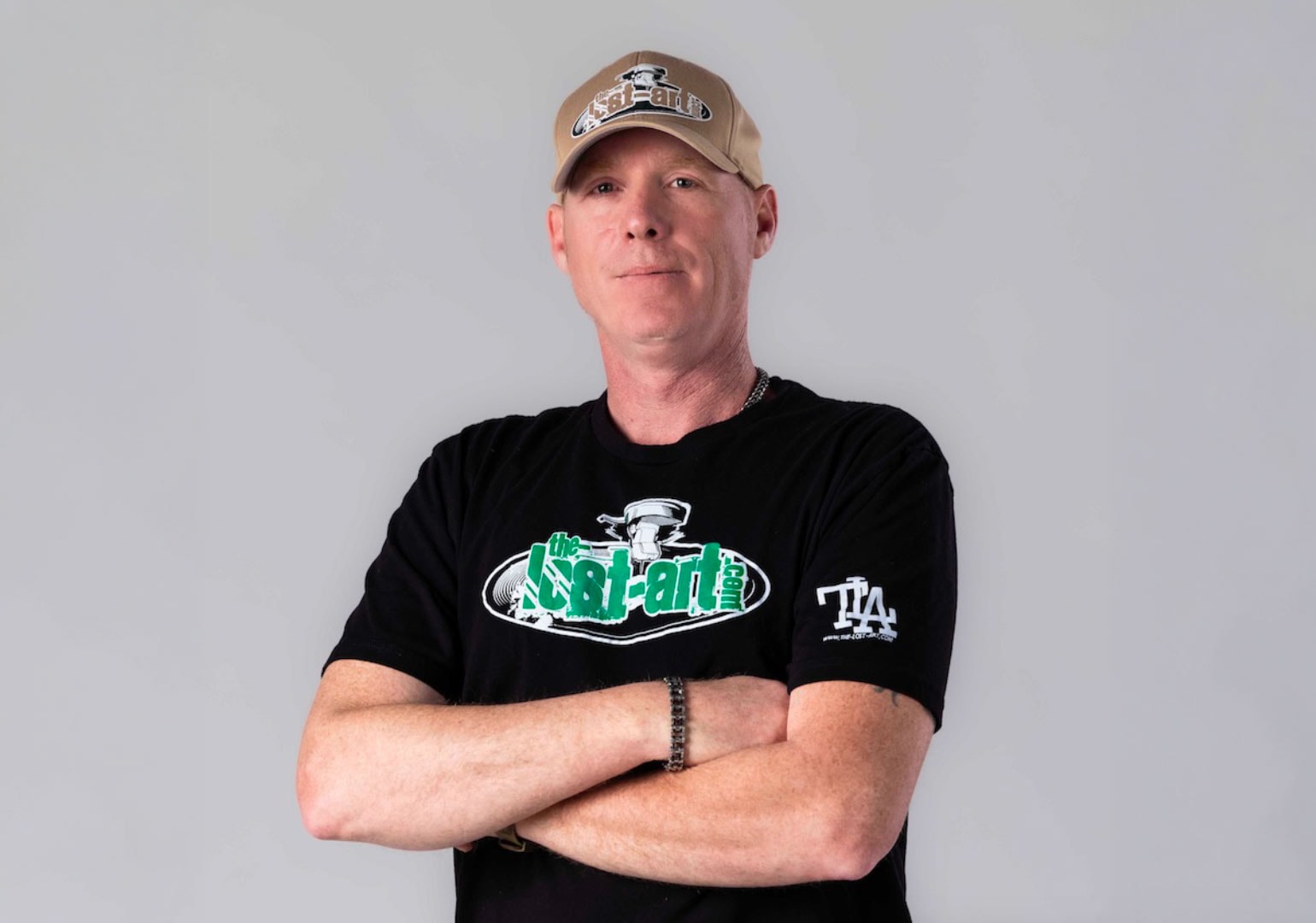
DJ Natural Nate's career is a sustained act of preservation. The-Lost-Art.com™ was built to preserve the standard of authentic DJ performance. The world record was set to document what the craft is capable of at its highest level. The original scratch techniques were developed to push the boundaries of what the turntable can do. The Dub Plug White Label Series was pressed to preserve the physical culture of vinyl. The show flier archive documents the history of the Colorado underground scene. Every choice in his career has been a choice about what to preserve and what to let go. He has always chosen to preserve the craft.
Every choice I have made in my career has been a choice about what to preserve and what to let go. I have always chosen to preserve the craft.
The-Lost-Art.com™: A Platform Built Around Authenticity
The-Lost-Art.com™ was designed specifically to preserve authentic DJ culture. The requirement that DJs perform visibly on camera, demonstrating real-time mixing skills rather than hiding behind a laptop, is a preservation strategy: it ensures that the platform documents genuine craft rather than the appearance of craft. The commercial-free model ensures that the platform's values are not compromised by commercial interests. The community that has developed around the platform is a community of DJs who share a commitment to authentic performance: a community that is itself a form of cultural preservation.
The World Record as a Statement About Craft
The world record: 86 tracks in one hour at 133 BPM, manually, on vinyl, is a deliberate statement about what the craft is capable of. DJ Natural Nate® chose to set a record that could only be achieved through genuine skill: a record that the sync button cannot help with, that digital cue points cannot assist, that only decades of practice and a fully developed ear can produce. The record is not just a personal achievement. It is a statement: this is what real DJing looks like. This is the standard. This is what we are preserving.
What Preservation Looks Like in Practice
Preservation is not a passive activity. It requires deliberate choices: to teach the skills that are disappearing, to document the history that is being lost, to maintain the standards that are being eroded. DJ Natural Nate's preservation practice includes teaching, performing, releasing vinyl, maintaining The-Lost-Art.com™, documenting his career history, and continuing to develop his craft. Each of these activities is an act of preservation: a choice to keep the culture alive rather than let it disappear.
How to Support Real DJ Culture
Supporting real DJ culture requires showing up to underground events, buying vinyl, supporting independent labels, and choosing to engage with DJs who are committed to the craft rather than the convenience. It requires being a conscious consumer of DJ culture, asking what values the music and the performance represent, and choosing to support the values you believe in. The culture is sustained by the choices of the people who are part of it. Every choice to support authentic DJ culture is a choice to preserve it.
Supporting real DJ culture is not complicated. It requires showing up, paying attention, and choosing authenticity over convenience.