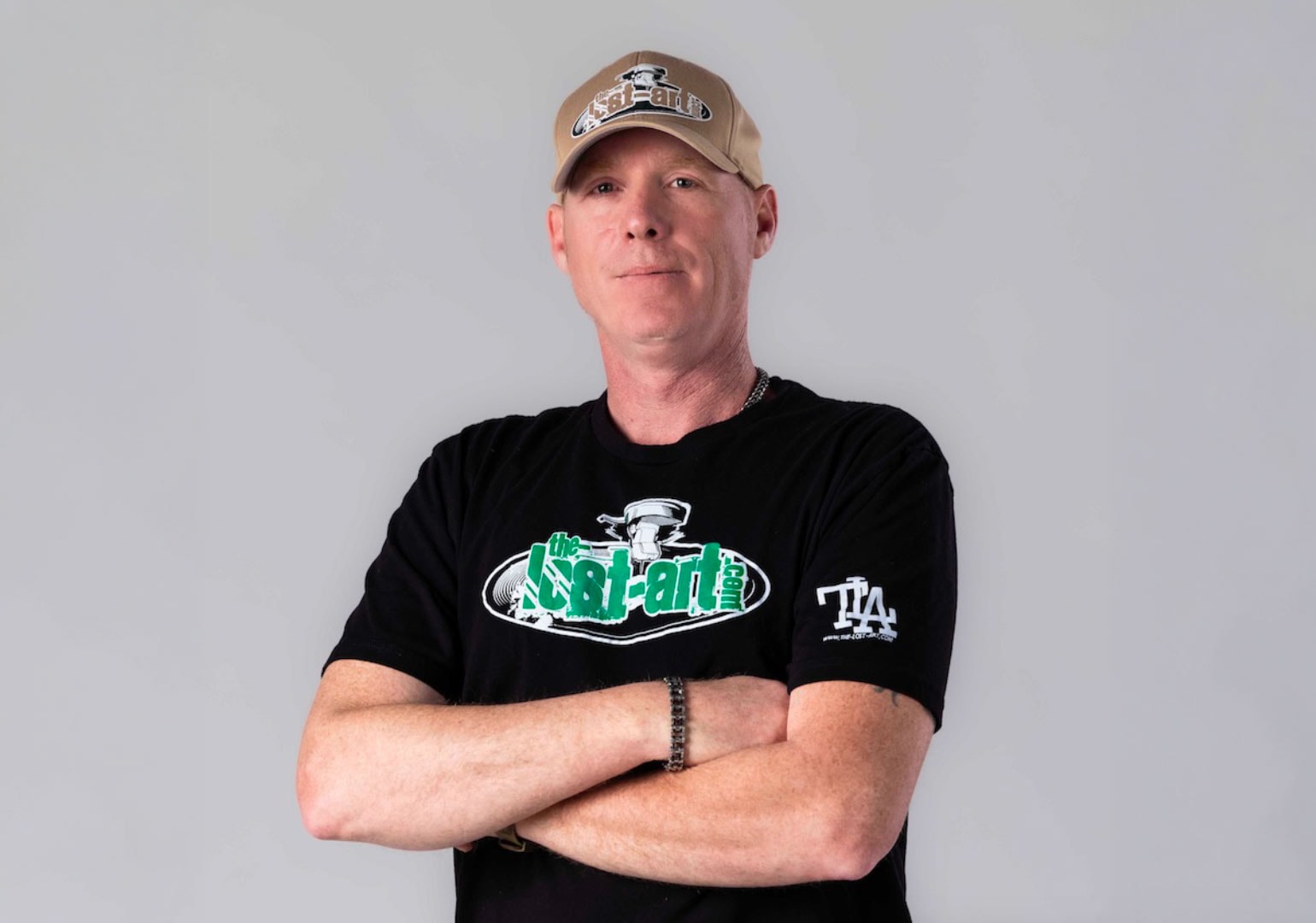
Serato Scratch Live launched in 2004 and changed DJing permanently. DJ Natural Nate®, who was already a veteran DJ when Serato arrived, gives an honest, nuanced assessment of what digital vinyl systems gained for the culture, what they cost it, and why the debate still matters in 2026.
What Serato Actually Is and Where It Came From
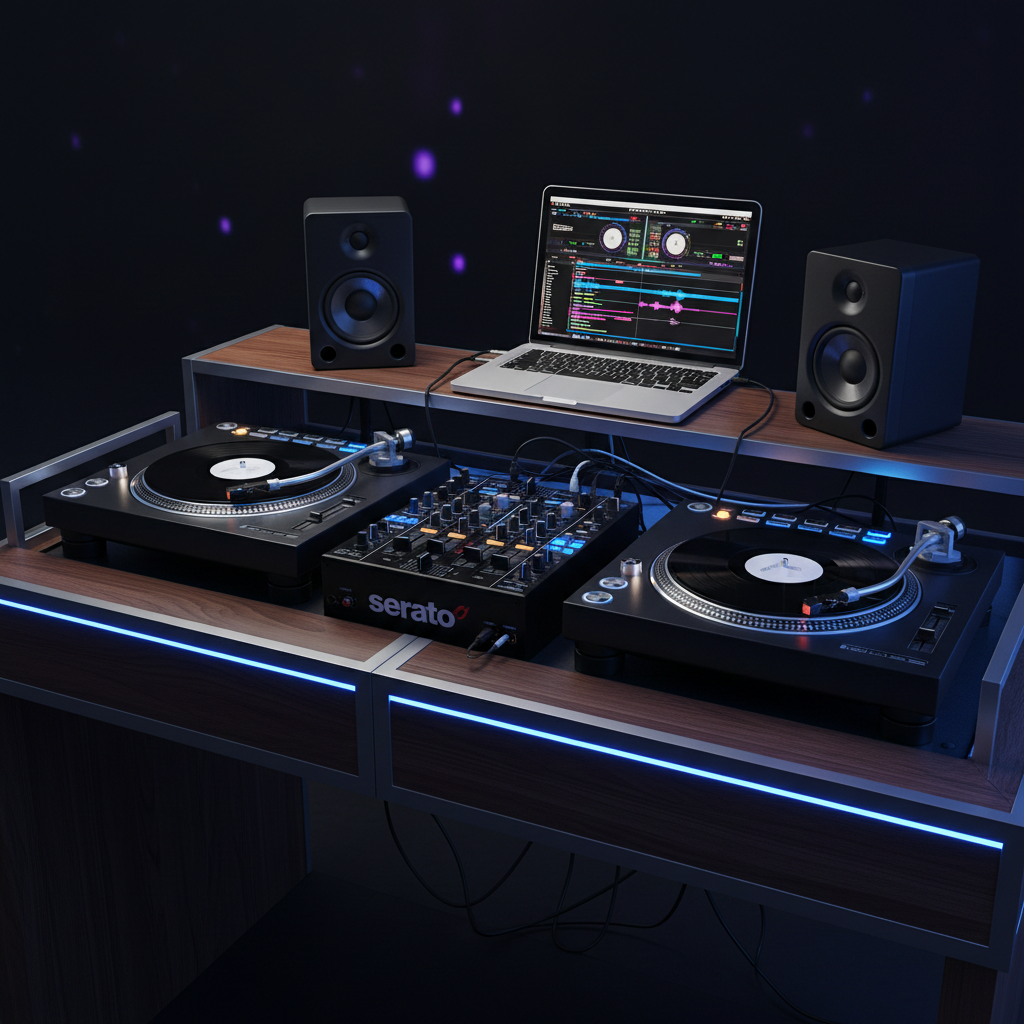
Serato is a digital vinyl system: a technology that allows DJs to use vinyl control records to manipulate digital audio files. The control record contains a timecode signal that the software reads to determine the position and speed of the record. The software then plays the corresponding position in the digital audio file at the corresponding speed. The result is that the DJ can use the physical interface of vinyl: the platter, the pitch fader, the needle, to control digital audio. Serato was developed by a New Zealand company, Serato Audio Research, and launched as Serato Scratch Live in 2004. It was not the first digital vinyl system, Final Scratch, developed by N2IT and later acquired by Native Instruments, preceded it, but it became the dominant system in the professional DJ market.
The Birth of Serato Scratch Live
Serato Scratch Live arrived at exactly the right moment in DJ culture. The DJ community was ready for the convenience of digital audio: the ability to carry thousands of tracks on a laptop rather than hundreds of records in crates, but was not ready to give up the physical interface of vinyl. DVS technology offered a compromise: the physical interface of vinyl with the convenience of digital. The adoption was rapid. Within a few years of its launch, Serato had become the standard for professional DJs worldwide. The transition from vinyl to Serato was not a rejection of vinyl culture, it was an attempt to preserve the physical interface while gaining the practical benefits of digital.
Serato Scratch Live arrived at exactly the right moment, when the DJ community was ready for digital convenience but not ready to give up the physical interface of vinyl.
How DVS Technology Changed the DJ Landscape
The practical impact of DVS technology on the DJ landscape was immediate and significant. DJs could now carry their entire music library on a laptop rather than in crates of records. They could access any track instantly rather than searching through physical records. They could use digital cue points and loops that were impossible on vinyl. The barrier to entry for DJing dropped significantly: a laptop and a Serato license were cheaper than a vinyl collection. The DJ landscape became more accessible, more diverse, and more connected to the broader digital music ecosystem.
The Argument for Digital: Accessibility and Practicality
The genuine case for digital DJ systems is strong. The practical benefits are real: portability, access to any track in a digital library, backup options, the ability to play music that is not available on vinyl. For DJs who travel frequently, the difference between carrying a laptop and carrying crates of records is not trivial. For DJs who play music that is only available digitally, the choice between digital and vinyl is not really a choice. The accessibility argument is also real: digital systems have made DJing accessible to people who could not afford vinyl setups, and that accessibility has brought new voices and new perspectives into the culture.
What Vinyl DJs Lost When Digital Took Over
The honest assessment of what was lost in the transition to digital is more complex than the accessibility argument suggests. The skill barrier that vinyl imposed: the requirement to develop an ear for manual beatmatching, the physical knowledge of the platter and pitch fader, the deep familiarity with a limited record collection, had value that was not immediately obvious when it was removed. When beatmatching became optional, the DJ community lost the filter that had guaranteed a minimum level of craft. The result is a DJ landscape where the technical floor has dropped significantly, and where many performers who call themselves DJs have never developed the most fundamental skill the craft requires.
When beatmatching became optional, the DJ community lost the filter that had guaranteed a minimum level of craft. That loss is still being felt.
DJ Natural Nate's Perspective on Serato and Digital Systems
DJ Natural Nate® was already a veteran DJ when Serato arrived. He had developed his skills on vinyl, without digital assistance, and had built a career on the foundation of those skills. His perspective on Serato and digital systems is nuanced: the technology has genuine value, and he does not dismiss it. But he is clear about what it changed and what was lost. His choice to remain on vinyl is not a rejection of technology, it is a commitment to the values that vinyl culture represents. The physical relationship between DJ and record, the skill of manual beatmatching, the discipline of a limited record collection, these are things worth preserving, even when the technology makes them optional.
The Hybrid Approach: Using Digital Tools Without Abandoning the Craft
Some DJs have found a way to use digital tools while maintaining the values of vinyl DJ culture. The hybrid approach, DVS with real turntables, digital files with manual beatmatching, Serato without the sync button, represents an attempt to take the practical benefits of digital while preserving the craft values of vinyl. This approach requires a deliberate choice: to use the technology as a tool rather than a crutch, to maintain the skills that the technology makes optional, to preserve the values that the technology threatens. It is possible, but it requires the kind of intentionality that most DJs do not bring to their relationship with their tools.
Where the Digital vs Vinyl Debate Stands Today
The digital vs vinyl debate has been running for 20 years and shows no signs of resolution. The vinyl revival of the 2010s and 2020s has brought new attention to the physical format, and a new generation of DJs is discovering vinyl for the first time. But digital systems remain dominant in professional DJ culture, and the skills that vinyl required are increasingly rare. The debate is not really about format preference, it is about values, craft, and what DJing is for.
Why the Debate Still Matters
The digital vs vinyl debate matters because it is a proxy for a deeper debate about values in DJ culture. What do we value in a DJ? Technical skill or musical taste? Physical craft or digital convenience? The ability to beatmatch manually or the ability to access any track instantly? These are not trivial questions. The answers define what DJ culture is and what it will become. The debate matters because the culture matters, and the culture is shaped by the choices that DJs make about what they value and what they are willing to let disappear.
The digital vs vinyl debate is not about nostalgia. It is about what we value in the craft and what we are willing to let disappear.