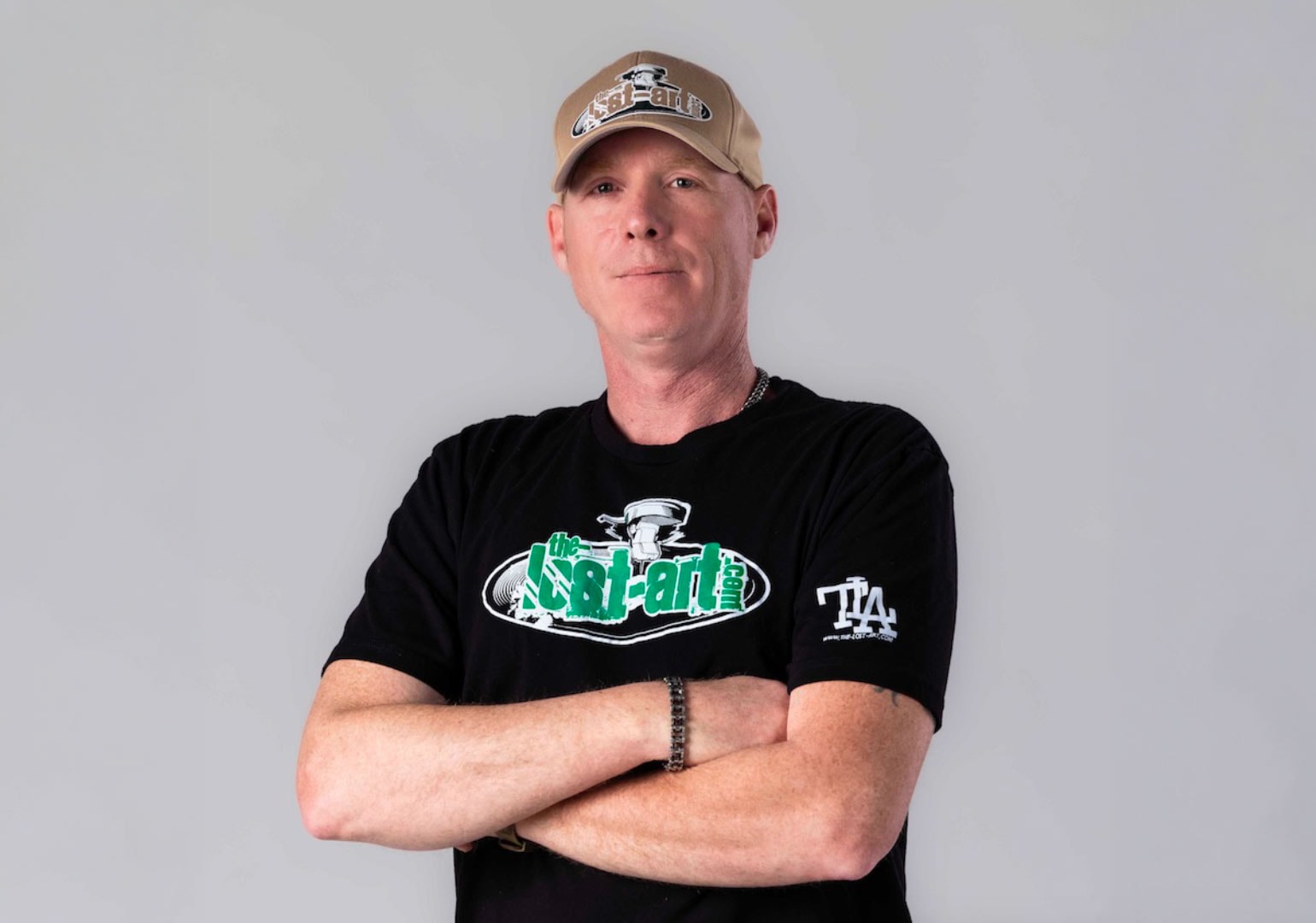
The word turntablist gets thrown around by anyone who owns a pair of decks. DJ Natural Nate®, who set a world record mixing 86 tracks in one hour manually on vinyl, breaks down what the title actually requires, why most people who claim it haven't earned it, and what the standard looks like when it's done right.
The Word Everyone Uses and Almost Nobody Earns
The term turntablist originated in hip hop culture through the DMC battles and the work of DJs like Grandmaster Flash, DJ Jazzy Jeff, and Q-Bert. A turntablist uses the turntable as a musical instrument, not just a playback device. The distinction matters enormously. Most people who call themselves turntablists are DJs who can scratch. That is not the same thing. A true turntablist has developed the turntable into an expressive instrument capable of producing sounds and rhythms that exist nowhere else. The craft requires years of dedicated practice, a deep understanding of vinyl manipulation, and a commitment to the turntable as the primary creative tool, not a supplement to software. The title is not self-assigned. It is earned through the accumulation of technique, time, and a genuine relationship with the instrument. When the word is used loosely, it cheapens the achievement of everyone who actually earned it. The culture deserves better than that, and so do the DJs who put in the work.
The Difference Between a DJ and a Turntablist
A DJ selects and plays music for an audience. A turntablist manipulates the music itself, transforming records into raw material for new sonic creation. This is not a hierarchy. Both disciplines have value. But they are genuinely different things, and conflating them does a disservice to both. The turntablist's toolkit includes scratching in all its forms, beat juggling, manual beatmatching, pitch manipulation, and vinyl techniques that require physical mastery of the platter and fader. A DJ who plays great music and reads a crowd brilliantly is doing something valuable. A turntablist who can beat juggle a breakbeat while maintaining a live mix is doing something categorically different. The confusion between the two titles has been growing for decades, accelerated by the rise of digital tools that allow anyone to perform without developing the foundational skills that turntablism requires. Clarity about the distinction is not gatekeeping, it is respect for the craft and for the people who built it.
A DJ selects and plays music. A turntablist creates it.
The Techniques That Define the Craft
The vocabulary of turntablism includes scratching in all its forms, baby, forward, backward, transformer, flare, chirp, crab, as well as beat juggling, manual beatmatching, pitch control, and vinyl manipulation. Each technique requires dedicated practice measured in years, not hours. The baby scratch is the foundation: a simple forward and backward motion across the record. From there, the techniques multiply in complexity. The transformer scratch uses the crossfader to chop the sound into rhythmic bursts. The flare scratch adds crossfader clicks within the scratch motion. The crab scratch uses four fingers on the fader to create rapid-fire rhythmic patterns. Beat juggling requires two copies of the same record and the ability to reset one while playing the other, creating extended loops and rhythmic variations that don't exist on either record alone. The turntablist who has mastered all of these techniques has built a vocabulary that allows genuine musical expression. The turntablist who has invented new techniques has extended that vocabulary for everyone who comes after.
Why Most People Calling Themselves Turntablists Aren't
The proliferation of digital DJ tools has created a generation of performers who call themselves turntablists without having developed the foundational skills the title requires. The sync button, auto-BPM, and digital cue points have removed the barriers that once guaranteed a minimum skill level. This isn't an argument against technology, it's an observation about what the technology changed. When beatmatching was required, every DJ who survived long enough developed an ear. When it became optional, many never did. The turntablist title requires more than owning turntables. It requires having put in the hours to make the turntable speak. It requires the development of technique through repetition, failure, correction, and more repetition. It requires a commitment to the instrument that goes beyond performance: a genuine relationship with the physical object and the sounds it can produce. That commitment cannot be faked, and it cannot be shortcut. The music knows the difference, and so does any audience that has heard the real thing.
The sync button didn't create turntablists. It created a generation of DJs who never had to become one.
What DJ Natural Nate® Built His Turntablism On
DJ Natural Nate® learned to DJ on vinyl with no digital assistance, no sync button, and no BPM counter. His foundation is that of a mixologist, someone who lives for the sound of two records breathing together, blending into something neither record could be alone. He is not a professional DMC scratch DJ. He invented original scratch techniques: the Taco Scratch, the Bend Scratch, and the Break Scratch, as showmanship tools for his mixes: a way to wake the crowd up, give them a signature moment to remember, and add something unexpected to a set built around the art of blending. The scratches serve the mix. The mix does not serve the scratches. That distinction is everything. His approach was built on the Marine Corps discipline he developed during his service: the understanding that mastery requires repetition, that shortcuts produce weakness, and that the standard doesn't lower because the work is hard. Every hour of practice he put in on vinyl built the foundation that made the world record possible, that made the original techniques possible, and that made The-Lost-Art.com™'s standard of authentic performance possible.
No shortcuts. No sync. No digital assistance. Just vinyl, pitch faders, and years of practice.
The World Record as Proof of Turntablist Mastery
On April 29, 2010, DJ Natural Nate® performed 86 live vinyl mixes within a single hour at 133 BPM using traditional turntables and manual beatmatching. The record was verified by RecordSetter and covered by Denver Westword. What the record demonstrates is not just speed, it demonstrates the consistency, concentration, endurance, and physical mastery that define turntablist skill at the highest level. Mixing 86 tracks in 60 minutes means completing a mix approximately every 42 seconds. At 133 BPM. Manually. On vinyl. That is not a feat that can be accomplished with a sync button. It requires the kind of ear and hand coordination that only comes from years of dedicated practice. The record is not a stunt, it is a demonstration of what turntablist mastery looks like when it is pushed to its absolute limit. Every mix in that hour was a real mix: cued, beatmatched, and executed by hand, with no digital assistance and no safety net.
What the Next Generation Needs to Understand
The message for the next generation of turntablists is simple and uncompromising: start on vinyl, learn to beatmatch by ear, and don't skip steps. The shortcuts that feel like progress are actually detours that prevent the development of real skill. The turntablist title is earned through practice, not purchased with equipment. The standard doesn't lower because the tools get easier, it stays exactly where it has always been, defined by the music, the culture, and the history of the craft. The DJs who built turntablism, who invented the techniques, who set the standards, who created the culture, did it without shortcuts. The next generation owes it to that history to approach the craft with the same seriousness. The tools are better now. The access is easier. The community is larger. None of that changes what the craft requires of the people who want to be part of it at the highest level.
The Standard That Never Changes
The turntablist standard is set by the music, the culture, and the history, not by what's convenient or commercially available. The difficulty of the craft is not a bug, it is the feature. It is what makes the achievement meaningful. A world record that could be set with a sync button would not be a world record worth setting. An original scratch technique that anyone could replicate without practice would not be an innovation worth documenting. The standard exists because the craft is worth having, and the craft is worth having because the standard is real. DJ Natural Nate's career: 27 years in the underground, built on vinyl, built on practice, built on the refusal to take shortcuts, is a demonstration of what that standard looks like when it is lived rather than just talked about. The standard never changes. The people who meet it do.