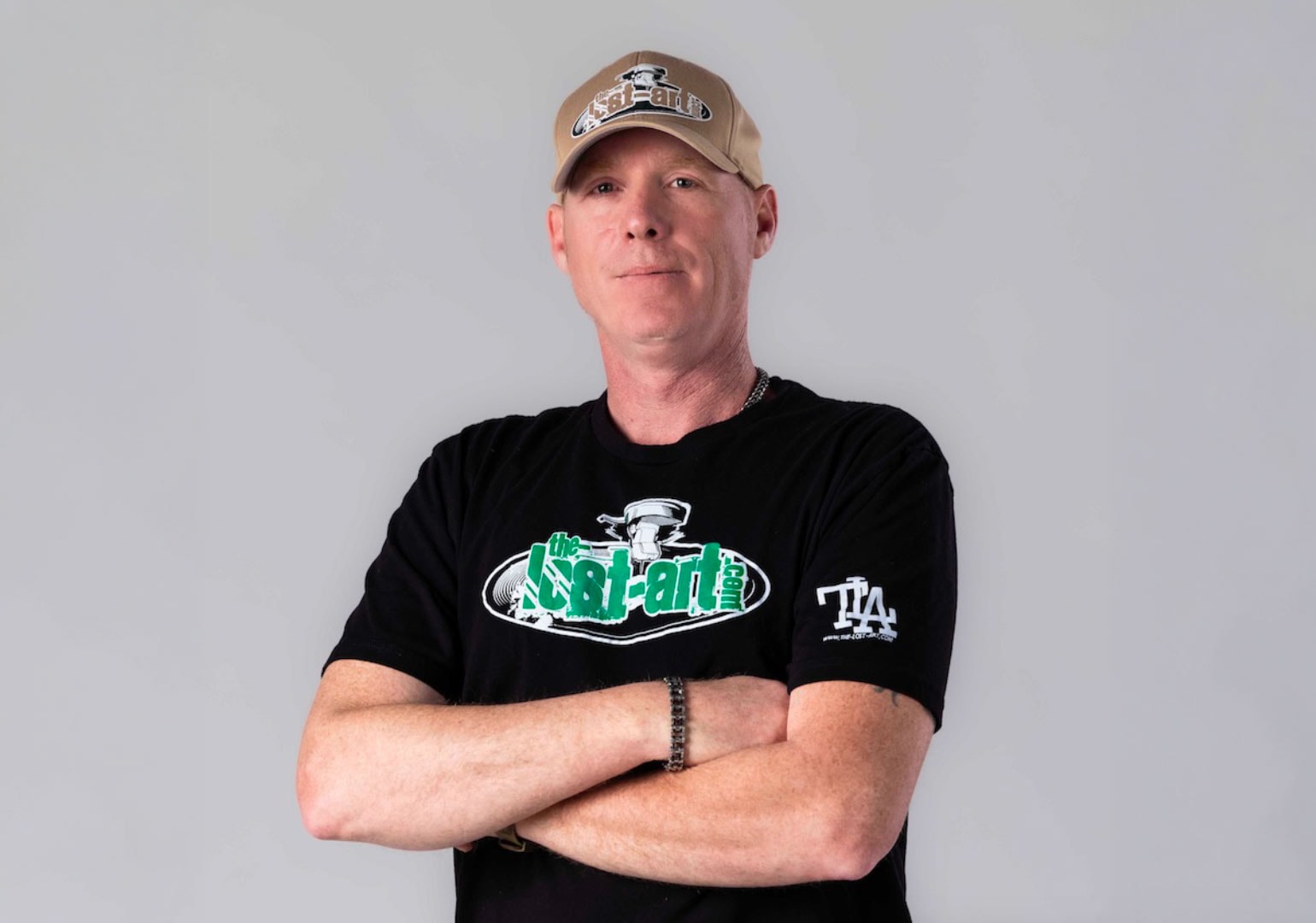
The best mixing DJs create something that is greater than the sum of its parts: a continuous musical experience with its own arc, its own energy, its own logic. DJ Natural Nate®, who mixed 86 tracks in one hour manually at 133 BPM, breaks down what separates a great mix from a good one, and what the world record proves about mixing skill at the highest level.
What Separates a Great Mix from a Good One
A good mix is technically clean: the beats align, the transitions are smooth, the EQ is managed. A great mix does all of that and something more, it creates a continuous musical experience with its own arc, its own energy, its own logic. The tracks are not just mixed together, they are curated, sequenced, and transitioned in a way that creates something greater than the sum of its parts. Technical precision is the floor, not the ceiling. What makes a mix great is what happens above the floor: the taste, the flow, the narrative, the energy management that transforms a sequence of tracks into a complete artistic statement.
Technical precision is the floor, not the ceiling. What makes a mix great is what happens above the floor.
The Technical Foundation: Beatmatching, Phrasing, EQ
The technical foundation of great mixing is non-negotiable. Beatmatching: the alignment of tempos between two tracks, must be precise. Phrase matching: the alignment of musical phrases so that transitions happen at musically logical points, must be deliberate. EQ management: the use of the mixer's equalization controls to blend the frequency content of two tracks, must be skilled. Gain staging: the management of volume levels to prevent clipping and maintain consistent energy, must be careful. These technical skills are the foundation. Without them, nothing else matters. With them, the artistic work can begin.
The Artistic Layer: Selection, Flow, Energy Management
The artistic layer of mixing is what separates the technically competent DJ from the great one. Track selection, choosing the right track for the right moment, requires deep knowledge of the music and an understanding of the audience. Set flow: the management of energy and mood over the course of a set, requires the ability to think in terms of the complete arc, not just the next transition. Energy management: the ability to build, sustain, and release energy in a way that creates an emotional experience for the audience, requires both musical knowledge and performance instinct. These skills cannot be automated. They require years of development.
Why Speed Alone Doesn't Make a Great Mixer
Speed is a skill, but it is not the only skill. A DJ who can mix quickly but without taste, flow, or musical intelligence is not a great mixer, they are a technically fast one. The world record: 86 tracks in one hour, demonstrates speed, but it also demonstrates something more: the ability to maintain musical coherence, energy management, and technical precision at extreme speed. The record is not just about how fast the mixes happen, it is about the quality of the mixes at that speed. Speed without quality is a trick. Speed with quality is mastery.
The World Record: 86 Tracks in One Hour at 133 BPM
On April 29, 2010, DJ Natural Nate® performed 86 live vinyl mixes within a single hour at 133 BPM. The mathematics: 86 tracks in 60 minutes means a mix approximately every 42 seconds. At 133 BPM. Manually. On vinyl. Each mix required cueing the next track, bringing it to tempo, finding the phrase, and executing the transition, all within 42 seconds, while maintaining the energy and flow of the set. The record was verified by RecordSetter and covered by Denver Westword. It is the most demanding demonstration of mixing skill ever documented.
86 tracks. 60 minutes. 133 BPM. Every mix manual. Every transition intentional. That is what mixing mastery looks like at its absolute limit.
What That Record Proves About Mixing Skill
The world record proves several things about mixing skill simultaneously. It proves that manual beatmatching can be performed at extreme speed without sacrificing accuracy. It proves that the ear can detect and correct phase drift at 133 BPM in real time. It proves that the physical skills of vinyl DJing: the hand on the platter, the pitch fader, the needle drop, can be executed with precision under extreme time pressure. It proves that the concentration required for manual mixing can be sustained for an extended period. Each of these proofs is a statement about what the craft is capable of at its highest level.
DJ Natural Nate's Mixing Philosophy
DJ Natural Nate's mixing philosophy is built on three principles: technical precision as the foundation, musical intelligence as the structure, and energy management as the purpose. The mix must be technically clean: the beats must align, the transitions must be smooth. The mix must be musically intelligent: the tracks must be selected and sequenced with intention, the transitions must happen at musically logical points. The mix must serve the energy of the moment, building when the moment calls for building, sustaining when the moment calls for sustaining, releasing when the moment calls for release.
The Mix as a Complete Artistic Statement
The DJ mix is an art form in its own right, not just a sequence of tracks, but a complete artistic statement with a beginning, a middle, and an end. The best mixes have a narrative arc: they take the listener on a journey, building energy and releasing it, creating moments of tension and resolution, arriving somewhere different from where they started. This is not an accident, it is the result of deliberate artistic choices made by a DJ who understands the mix as a complete work rather than a series of transitions.
How to Develop Your Mixing Skills
Developing real mixing skills requires a specific practice approach. Start with the technical foundation: practice beatmatching until it is automatic, practice phrase matching until it is instinctive, practice EQ management until it is natural. Then develop the artistic layer: study the music deeply, build a collection that gives you the tools to create the arc you want, practice set construction as a deliberate artistic activity. Record your sets and listen back critically, not just for technical errors, but for artistic choices. Ask: does this set go somewhere? Does it have an arc? Does it create an experience?
What the Best DJs in the World Have in Common
The best mixing DJs in the world share several characteristics: deep knowledge of the music, technical precision developed through years of practice, the ability to read and respond to an audience, and a clear artistic vision for what a set should be. They have all put in the hours: the thousands of hours of practice, the years of performing, the decades of developing their craft. There is no shortcut to this. The best DJs are the best because they have done the work. That is the standard. That is what the craft requires.
The best DJs in the world share one thing: they have put in the time. There is no substitute for the hours.