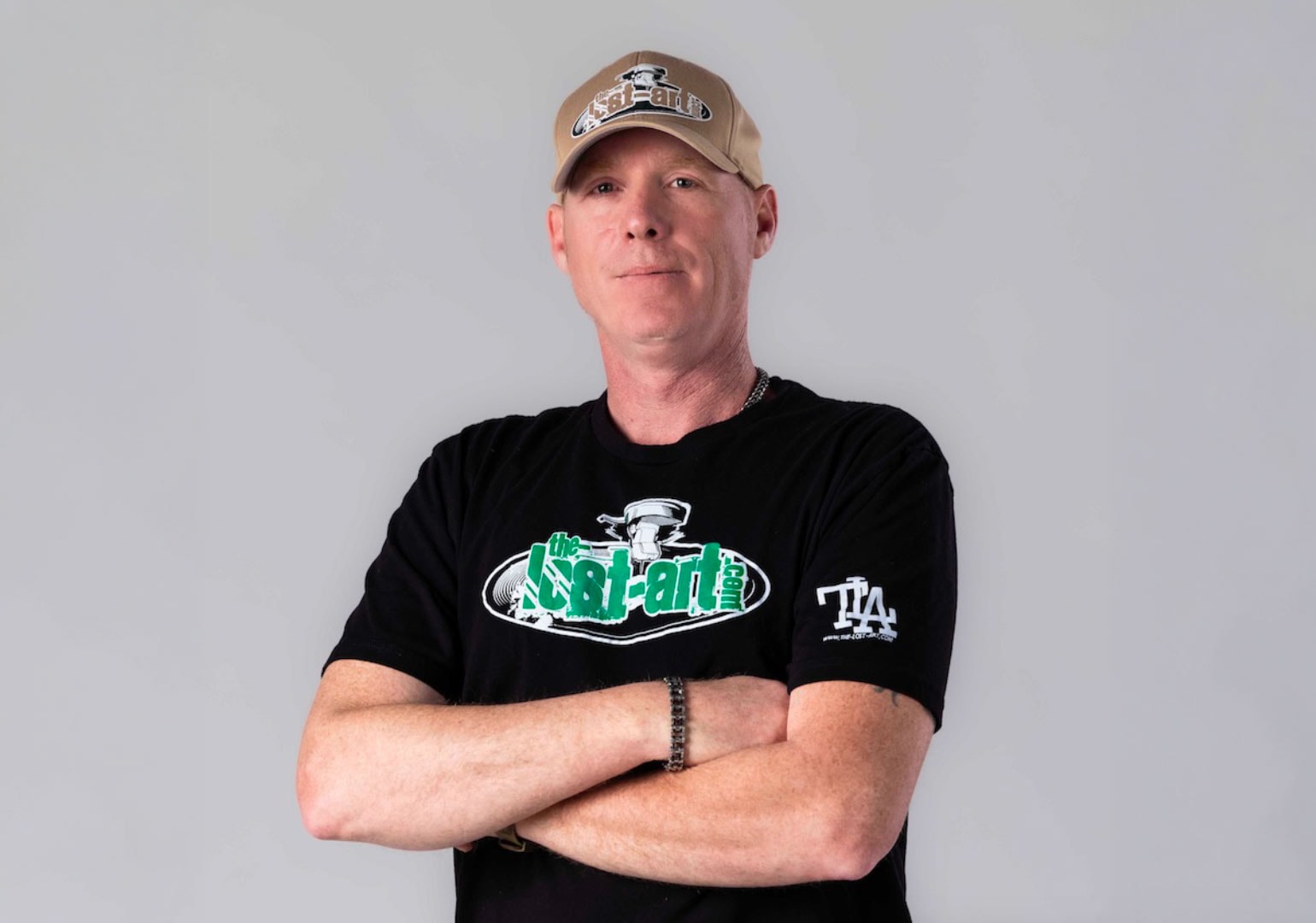
Most DJ interviews ask the same five questions and get the same five answers. They are promotional vehicles, not conversations. DJ Natural Nate® on what makes a DJ interview worth doing, and what the Underground Movement Show Episode 119 got right that most interviews get wrong.
The Standard DJ Interview: A Formula That Produces Nothing
The standard DJ interview follows a formula that has been in place for decades and produces the same result every time: nothing. The questions are predictable, how did you get started, what are you working on, what advice do you have for up-and-coming artists, what is your favorite piece of equipment, what is your dream gig. The answers are equally predictable, I started when I was young, I am working on new music, follow your passion and work hard, I love my Technics, I want to play at a major festival. The interview ends. The reader or listener knows nothing more about the DJ than they did before. The formula exists because it is safe. It does not require the interviewer to do research, and it does not require the DJ to say anything that might be controversial, honest, or interesting. It is a promotional vehicle disguised as a conversation, and it serves the interests of the PR machine rather than the interests of the audience or the culture.
The standard DJ interview is a promotional vehicle disguised as a conversation. It serves the PR machine, not the audience or the culture.
What Real DJ Interviews Require
A real DJ interview requires three things that the standard formula lacks: research, time, and honesty. Research means the interviewer has actually listened to the DJ's music, read their press, and understands the context of their career before the interview begins. Time means the interview is long enough to go beyond the surface: 30 minutes is not enough to get past the rehearsed answers and into the real story. Honesty means both the interviewer and the DJ are willing to go to uncomfortable places, to talk about the failures as well as the successes, the struggles as well as the triumphs, the things that went wrong as well as the things that went right. Without all three, the interview is just a longer version of the standard formula. With all three, it becomes something genuinely valuable: a document of a real person's real experience in a real industry.
The Questions That Actually Matter
The questions that produce real answers are not the standard questions. They are the questions that require the DJ to think, to remember, and to be honest about things they might prefer to keep private. What is the hardest thing you have ever done in your career, and did it work? What is the biggest mistake you have made, and what did you learn from it? What would you do differently if you could start over? What is the thing about the music industry that nobody talks about but everyone knows? What does it actually feel like to play to an empty room, or to a room that does not respond to what you are playing? What does it feel like when everything goes right, when the room is full and the music is working and you are in the zone? These questions produce answers that are specific, personal, and honest, answers that tell you something real about what it is like to be a DJ, rather than the generic inspirational content that the standard formula produces.
The questions that produce real answers are the ones that require the DJ to think, to remember, and to be honest about things they might prefer to keep private.
What the Underground Movement Show Episode 119 Did Right
The Underground Movement Show Episode 119 with DJ Natural Nate® is one of the best DJ interviews produced in recent years, and it is worth examining why. The host did the research: the interview demonstrates a genuine familiarity with DJ Natural Nate's catalog, his history, and the context of his career. The interview was two hours long, long enough to get past the rehearsed answers and into the real story. And the host created a space where honesty was possible, where DJ Natural Nate® could talk about the world record attempt, the founding of The-Lost-Art.com™, the development of the original scratch techniques, the economics of independent music production, and the personal philosophy that has guided his career, without any of it being filtered through a PR lens. The result is an interview that tells you something real about what it has taken to build a 30-year career in the underground electronic music scene, something that the standard formula could never produce.
The Voyage Denver Interview: Another Model
The Voyage Denver interview with DJ Natural Nate® is another example of what a DJ interview can be when it is done with genuine curiosity rather than a promotional agenda. The Voyage Denver format asks DJs to tell their story in their own words, not in response to a list of standard questions, but as a narrative that they control. The result is a different kind of interview than the Underground Movement Show episode, but equally valuable: a first-person account of a career that is specific, personal, and honest in ways that the standard interview format never allows. The combination of the Voyage Denver interview, the Underground Movement Show episode, and the press coverage in the Digital Journal and Grit Daily represents the most complete public record of DJ Natural Nate's career that exists anywhere. Together, they tell a story that no single interview could tell on its own.
For DJs: How to Give a Real Interview
If you are a DJ who is asked to do an interview, you have a choice. You can give the standard answers: the safe, rehearsed, promotional content that every DJ gives and that nobody remembers. Or you can give real answers: the specific, honest, personal content that actually tells your story and actually serves the audience. Real answers require preparation. Think about the real story of your career before the interview: the specific moments that shaped you, the specific struggles you have faced, the specific things you have learned. Think about what you actually believe about the music, the industry, and the culture, not what you are supposed to believe, but what you actually believe. And be willing to say it. The DJs whose interviews people remember are the ones who said something real. The DJs whose interviews nobody remembers are the ones who gave the standard answers. You get to choose which kind of DJ you are.
The DJs whose interviews people remember are the ones who said something real. You get to choose which kind of DJ you are.