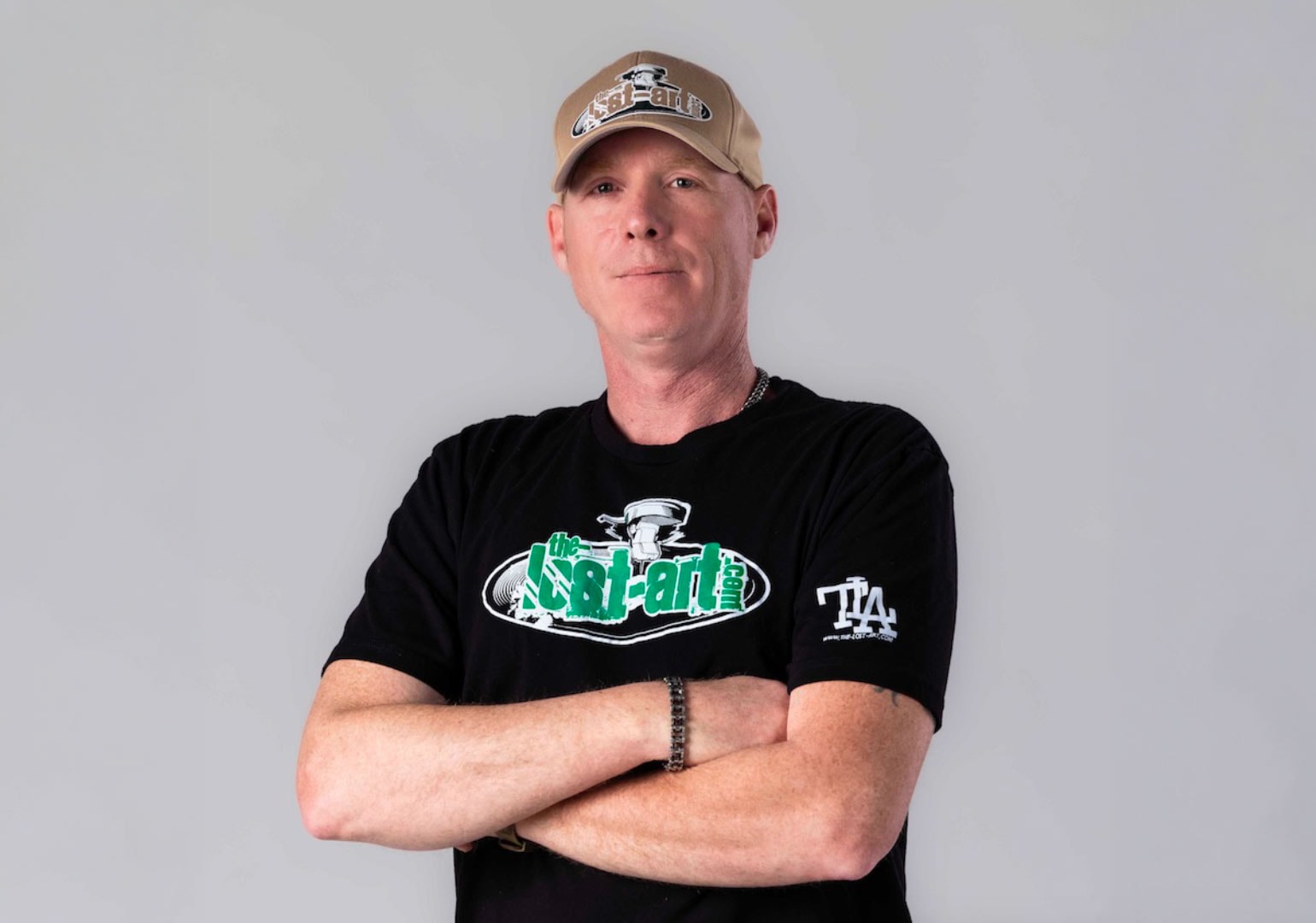
Before the world record. Before The-Lost-Art.com™. Before BYBB. There was a kid in Colorado who was obsessed with music, obsessed with records, and obsessed with the idea that a turntable was not just a playback device, it was an instrument. This is where it all began.
Born in Bad Kreuznach, Raised in Colorado
The story of DJ Natural Nate® begins not in Colorado, but in Bad Kreuznach: a city in the Rhineland-Palatinate region of Germany, where Nathaniel R. Lemieux was born to David and Jacque Lemieux. Bad Kreuznach is a city with deep historical roots, situated along the Nahe River in a region known for its wine country and its proximity to the Rhine Valley. It is not a city that most people associate with American underground DJ culture. But it is where the story begins.
The family's connection to Germany was through military service: a fact that would later be echoed in Nate's own service as a United States Marine. The son of parents who gave him a strong foundation, love, discipline, a sense of right and wrong, a belief that effort mattered, Nate was brought to Colorado as a child, and it was in Colorado that his musical identity was formed.
Colorado in the 1980s was not, on the surface, an obvious home for a world-class turntablist. The state was known for mountains, skiing, and a laid-back outdoor culture that seemed far removed from the urban music scenes of New York, Los Angeles, and Chicago where DJ culture was developing most rapidly. But Colorado had its own musical identity: a hybrid of influences that reflected its geography and demographics.
Denver, the state capital, had a thriving music scene that drew from hip-hop, rock, country, and the emerging electronic music culture that was spreading from the coasts. The city's position as a major hub between the East and West coasts meant that touring acts passed through regularly, and the local scene absorbed influences from everywhere. By the late 1980s, Denver had a genuine underground music community, small clubs, warehouse parties, record stores that stocked imports and rarities that you could not find anywhere else in the Mountain West.
It was into this environment that DJ Natural Nate® was brought up. Music was present from the beginning, not just as background noise, but as a central, defining element of daily life. The baby photo that has become one of the most iconic images in his personal archive: a tiny child surrounded by the trappings of a musical household, captures something essential about how early the connection to music was established.
"Born in Bad Kreuznach, Germany to David and Jacque Lemieux, raised in Colorado, shaped by the underground."
By the time he was old enough to understand what a record player was, he was already fascinated by it. Not just by the music it produced, but by the mechanism itself: the way the needle tracked the groove, the way the rotation of the vinyl translated into sound, the way you could manipulate that process by touching the record, slowing it down, speeding it up, moving it back and forth.
The First Turntable: When the Listener Became a Player
Every DJ has a story about their first turntable. For some it is a gift, for others a purchase made with saved-up money, for others still a borrowed piece of equipment that they never gave back. The first turntable is the moment when the abstract fascination with records and music becomes a concrete, physical practice, when you stop being a listener and start being a player.
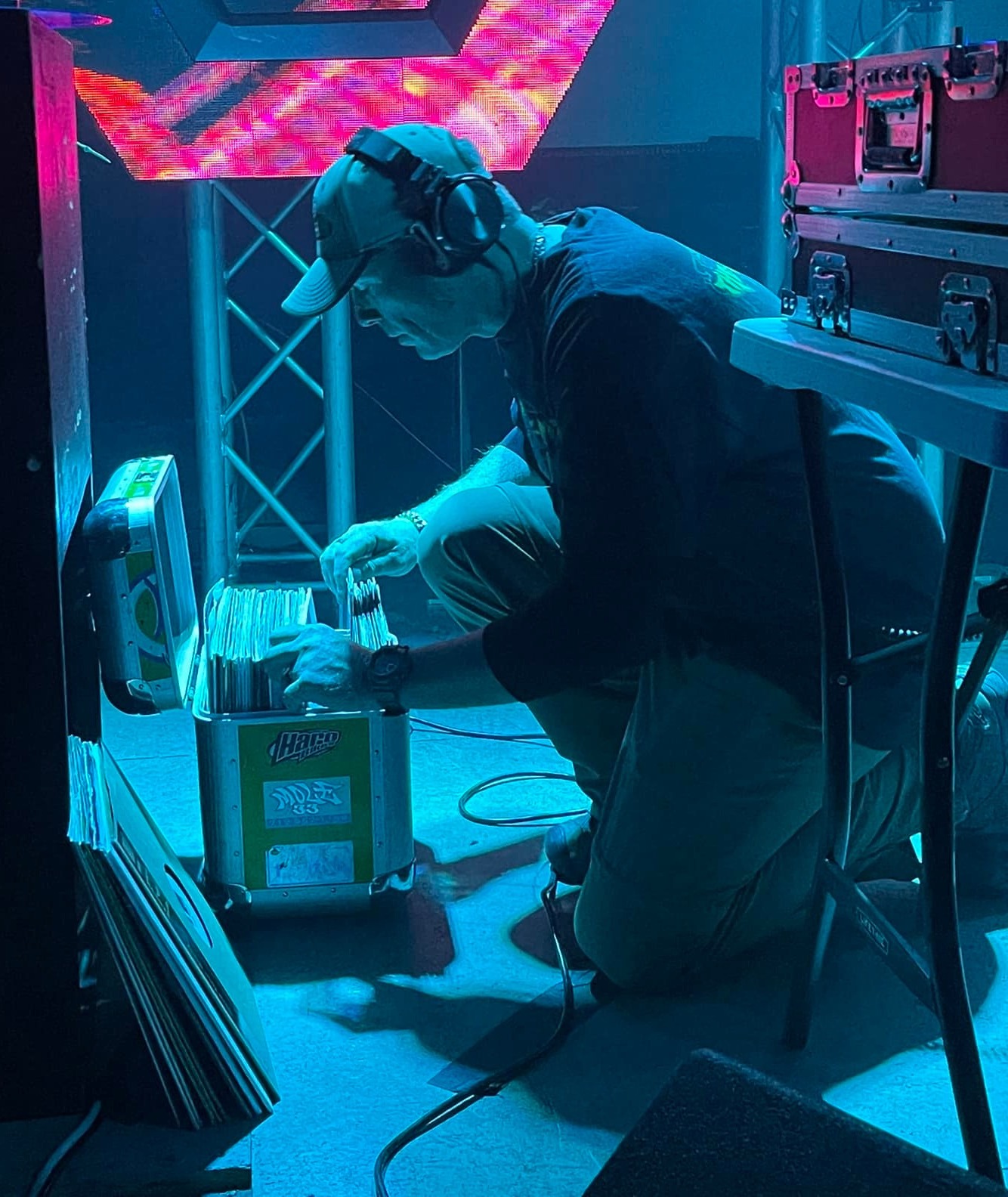
The instrument that changed everything, vinyl and a needle
For Nate, the transition from listener to practitioner happened early. The turntable was not just a toy or a novelty, it was immediately understood as an instrument. This is a distinction that matters enormously in DJ culture. Many people buy turntables and use them to play records. A much smaller number understand from the beginning that the turntable can be played, that the record is not just a medium for delivering music but a physical object that can be manipulated to create new sounds, new rhythms, new musical possibilities.
The scratch is the most obvious expression of this understanding. When you scratch a record, move it back and forth under the needle while the fader controls when the sound is heard, you are not playing back recorded music. You are creating new music in real time, using the recorded sound as raw material. The turntable becomes a percussion instrument, a melodic instrument, a noise machine, a compositional tool. The possibilities are limited only by the skill and imagination of the person behind the decks.
Nate understood this intuitively. The four scratch techniques he would later develop and name: the Taco, the Bend, the Break, and the Lazer, were not invented in a studio or a classroom. They were discovered through years of experimentation, of pushing the turntable to its limits, of asking "what happens if I do this?" and then doing it, over and over, until the answer became a technique.
The first turntable was the beginning of a relationship with an instrument that has never ended. Decades later, the turntable is still the center of everything, still the tool through which DJ Natural Nate® expresses everything he knows about music, rhythm, and the physical relationship between a human being and sound.
The United States Marine Corps: Before the Decks
Before there was a DJ career, before there was BYBB, before there was The-Lost-Art.com™ or a world record or a Breakspoll ranking, there was military service.
Nathaniel R. Lemieux served his country as a United States Marine. The Corps instilled the principles of honor, courage, commitment, discipline, and leadership that would become the foundation of everything he built. "Once a Marine, Always a Marine." That philosophy never left him.
The connection between military service and the DJ career that followed is not coincidental. The discipline that the Marine Corps demands: the commitment to showing up, to doing the work, to maintaining a standard regardless of circumstances, is the same discipline that built the world record, that sustained the BYBB brand for more than two decades, that kept the "Prove The Mix" philosophy alive in an era when shortcuts were increasingly available and increasingly tempting.
The Marines also gave him something else: a sense of service. A belief that the work you do should mean something beyond yourself. That the standard you hold yourself to is not just about personal achievement but about what you owe to the people around you, to the community, to the culture, to the music.
That sense of service is visible throughout DJ Natural Nate®'s career. In the years he spent promoting other artists' music on internet radio, helping them reach audiences they could not reach on their own. In the founding of The-Lost-Art.com™, which was built not just as a platform for his own performances but as a resource for the entire DJ community. In the "Prove The Mix" philosophy, which is ultimately about accountability, about owing the audience the truth of your skill, not the illusion of it.
"Once a Marine, Always a Marine. The discipline that built the world record was the same discipline the Corps instilled."
The Marine Corps shaped the man. The man shaped the music. The music shaped the culture. The connection runs all the way through.
Finding the Breaks: The Genre That Fit
Breakbeat music found Nate at exactly the right moment. The genre, built on the drum break, the looped and manipulated percussion section that forms the rhythmic foundation of hip-hop and its descendants, was in a period of explosive creative development in the early 1990s. Jungle and drum and bass were emerging from the UK rave scene. Breakbeat Hardcore was pushing tempos and textures in new directions. Electro Breaks was developing its own identity, drawing on the robotic rhythms of early electro and the aggressive energy of hardcore.

The early years, developing the craft in the Colorado underground
For a young DJ in Colorado who was already obsessed with rhythm and the physical possibilities of the turntable, Breakbeats were a revelation. The genre demanded exactly the skills he was developing: precise beatmatching, creative use of the scratch, an understanding of rhythm that went beyond simply keeping time. Breakbeat DJs were expected to be musicians, not just selectors. The music rewarded technical skill and punished laziness.
The Colorado Breaks scene in the 1990s was small but passionate. A network of DJs, promoters, and music lovers had built a community around the genre, organizing events in clubs and warehouses, trading tapes and imports, developing a local sound that drew on the international scene while maintaining its own identity. Nate became part of this community early, and the community shaped him.
The record stores were essential. In the pre-internet era, finding the latest Breaks releases required physical presence, you had to be in the right stores, know the right people, be willing to spend hours flipping through crates looking for the records that would define your next set. Crate digging was not just a shopping trip; it was an education. Every record you found taught you something about the history of the music, the producers who were pushing it forward, the labels that were taking risks on new sounds.
Nate became an expert crate digger. He developed the kind of encyclopedic knowledge of the genre that only comes from years of physical engagement with the music, not streaming, not playlists, but records. Actual vinyl. The physical artifact of the music, with all the history and context that comes with it.
"Crate digging was not just a shopping trip, it was an education."
The Pro Sound Music Years: Pressing Keys He Couldn't Afford
Before there was a Roland Fantom F6, before there was a CDJ, before there was a Serato rig or a single original production, there was a kid in Colorado standing inside Pro Sound Music, pressing keys on a keyboard he had absolutely no money to buy.
He wasn't there to steal. He wasn't there to cause trouble. He was there because the keyboards were there, and the keyboards were the closest thing to magic he had ever encountered. He would walk in, find the display models, and play.
Not with any formal training. Not with sheet music or a teacher or a lesson plan. Just with his hands and his ears and whatever was already living inside him.
His family wasn't wealthy. David and Jacque Lemieux worked hard and gave him a strong foundation, love, discipline, a sense of right and wrong, a belief that effort mattered. But the expensive instruments, the gear, the toys that other kids had, those were often out of reach.
The keyboards at Pro Sound Music were not his. They would never be his, not for a long time. But they were there, and they were real, and every time he touched them something happened inside him that he couldn't fully explain.
"The kid pressing keys he couldn't afford was already becoming the producer who would build entire worlds from scratch."
He had a natural relationship with sound that went beyond the keyboards. Drums made sense to him. Piano made sense. Harmonica. Percussion. He was not a classically trained musician and never claimed to be. He was a kid from Colorado who heard music differently than most people around him, who felt rhythm in his body before he understood it in his mind, who could pick up an instrument and make it work without being told how.
Those hours in Pro Sound Music were not wasted. They were the earliest form of the practice that would eventually produce a world record, a Breakspoll ranking, and six releases on a Dutch label. The kid pressing keys he couldn't afford was already becoming the producer who would one day build entire sonic worlds from scratch.
The Philosophy Takes Shape: Prove the Mix
By the time DJ Natural Nate® was performing regularly in the Colorado scene, the philosophy that would define his entire career was already taking shape. It was not a philosophy he had read about or been taught, it was one he had arrived at through experience, through watching other DJs, through the simple observation that the DJs who were most respected were the ones who could actually do the thing they claimed to do.
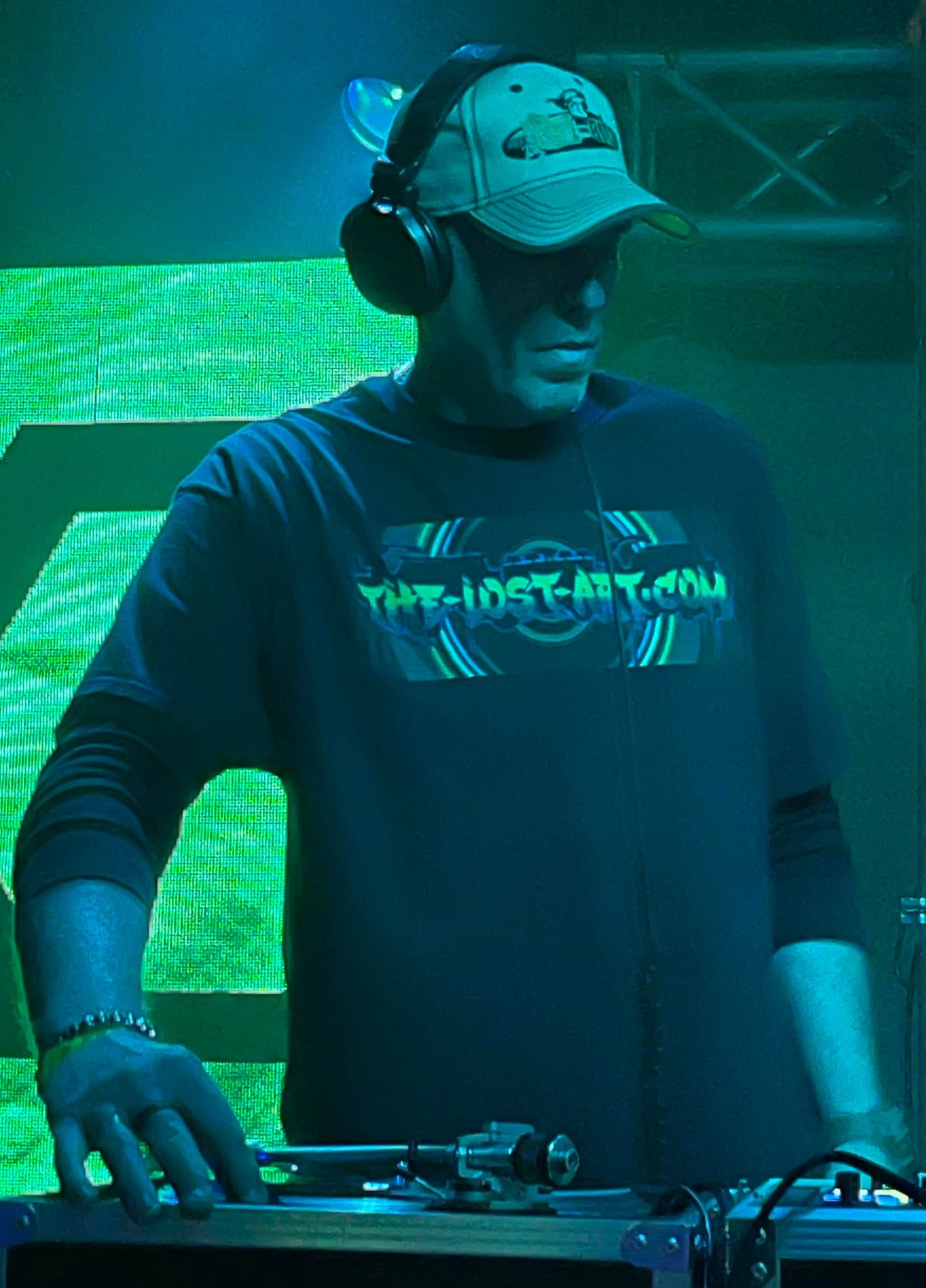
A lifetime of showing up: the philosophy in practice
Prove the mix. Show your hands. If you are going to call yourself a DJ, demonstrate the skill.
This sounds obvious, but in practice it is a demanding standard. It means never relying on technology to do what your ears and hands should be doing. It means being willing to perform in any environment, on any equipment, under any conditions. It means accepting that a bad night: a night where the beatmatching is off, where the transitions are rough, where the crowd is not responding, is part of the process, not a reason to hide behind pre-recorded sets or auto-mix software.
It also means a commitment to continuous improvement. The world record was not achieved because Nate was naturally gifted, though he clearly has natural aptitude. It was achieved because he practiced, relentlessly, for decades. The four scratch techniques were not invented in a flash of inspiration, they were developed through thousands of hours of experimentation. The ability to mix 86 tracks in an hour at 133 BPM without sync was not a talent he was born with, it was a skill he built, one session at a time, in basements and bedrooms and clubs across Colorado.
That is the real origin story of DJ Natural Nate®. Not a single moment, not a single discovery, but a lifetime of showing up, putting in the work, and proving the mix.
Photo Archive
Right-click any photo to save, or use the buttons below each image to download or copy the link for social media.
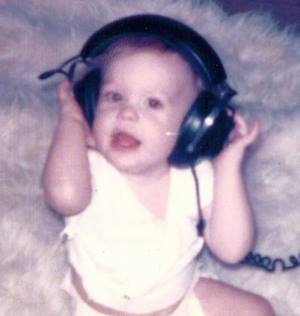
Born into it: the beginning of a legacy
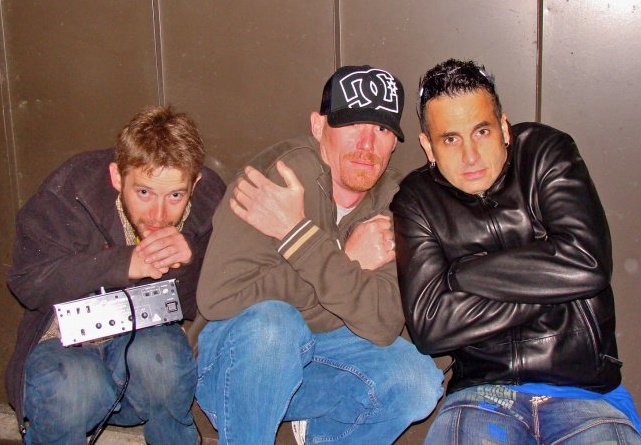
The early years, developing the craft
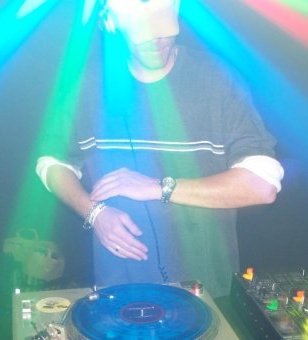
Colorado roots: the scene that built him
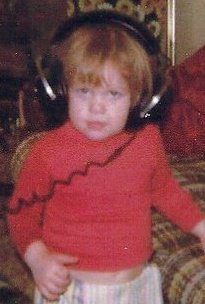
Finding the sound, Breakbeats and Electro in Colorado