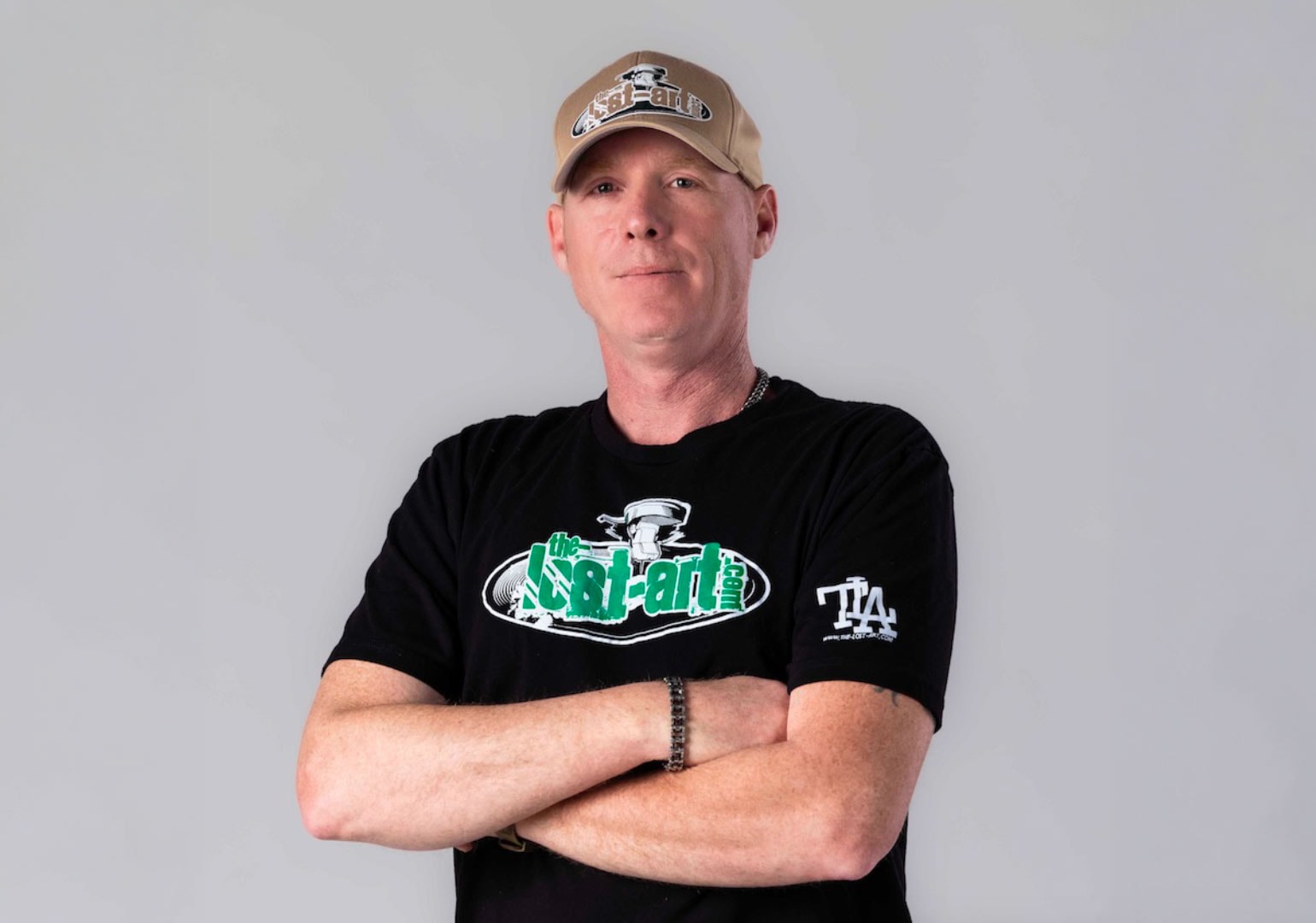
In 1969, Gregory Coleman played a six-second drum solo that would become the most sampled recording in history. DJ Natural Nate®: a veteran breakbeat DJ and producer, traces the complete history of the Amen break, the culture it created, and why this six-second moment still defines an entire family of electronic music genres more than 50 years later.
Six Seconds That Changed Everything
On April 18, 1969, Gregory Coleman: the drummer for a Washington DC soul group called The Winstons, played a six-second drum solo in the middle of a B-side called Amen, Brother. The solo was not remarkable at the time. The Winstons were a minor act. The record sold modestly. Gregory Coleman died in 2006 without knowing that his six-second solo had become the most sampled recording in history: the foundation of hip hop, jungle, drum and bass, breakbeat, and dozens of related genres. The Amen break is the most important six seconds in the history of electronic music, and almost nobody outside the culture knows it exists.
What Makes the Amen Break Special
The Amen break is special for reasons that are both technical and cultural. Technically, it contains a specific combination of rhythmic elements: the kick drum, the snare, the hi-hat, the ghost notes, that create a pattern of extraordinary complexity and flexibility. The break can be played at almost any tempo and retain its character. It can be chopped, rearranged, and manipulated in ways that produce new rhythmic patterns while maintaining the essential feel of the original. Culturally, it became the shared vocabulary of an entire community of DJs and producers: a common reference point that connected hip hop, jungle, drum and bass, and breakbeat across decades and continents.
The Amen break is not just a drum pattern. It is a rhythmic template that contains within it the seeds of an entire musical tradition.
Hip Hop DJs and the Discovery of the Break
The Amen break was discovered by hip hop DJs in the late 1970s and early 1980s, part of the broader practice of crate digging that defined early hip hop culture. DJs like Kool Herc, Grandmaster Flash, and Afrika Bambaataa were searching through record collections for the percussion sections: the breaks, that could be isolated and looped to create a rhythmic foundation for MC performance. The Amen break was one of many breaks that entered the hip hop vocabulary during this period. Its specific character: the complexity of the pattern, the energy of Coleman's performance, made it particularly useful and particularly beloved.
The Amen Break Goes Electronic
The Amen break entered the electronic music world through the sampling technology of the late 1980s. The Akai MPC and the Roland SP-1200 allowed producers to sample the break, pitch it up or down, chop it into individual hits, and rearrange it into new patterns. The result was a new family of genres: hardcore, jungle, drum and bass, and eventually breakbeat. Each genre used the Amen break differently, jungle at extreme speeds with complex chopping, drum and bass at more moderate speeds with heavy bass lines, breakbeat at tempos closer to the original with more emphasis on the groove. But all of them shared the same six-second source.
Jungle, Drum and Bass, and the Amen Break's Dominance
In the early 1990s, the UK rave scene developed jungle: a genre that used the Amen break at extreme speeds (160-180 BPM) with complex chopping and heavy bass lines. Jungle evolved into drum and bass, which refined the aesthetic and developed a more sophisticated production vocabulary. The Amen break was central to both genres, its complexity and flexibility made it the ideal rhythmic foundation for music that was pushing the limits of what electronic production could do. The producers who worked with the Amen break during this period, Goldie, LTJ Bukem, Roni Size, Photek, developed techniques of rhythmic manipulation that are still influential today.
Breakbeat and the Amen Break's American Legacy
In America, the Amen break found a different home than in the UK. The American Breaks scene, which developed in parallel with UK jungle and drum and bass, used the Amen break at more moderate tempos, with more emphasis on the groove and the DJ's physical relationship with the record. The Breaks scene was more directly connected to hip hop turntablism than UK jungle was: the emphasis on the DJ's skill, the importance of the break as a vehicle for turntablist technique, the culture of the underground event. DJ Natural Nate® and Bruise Your Body Breaks are part of this American tradition.
In America, the Amen break found a different home, in the Breaks scene that connected hip hop turntablism with electronic dance music culture.
DJ Natural Nate® and the Breakbeat Tradition
DJ Natural Nate's career is built on the breakbeat tradition that the Amen break helped create. His releases on international labels, his performances at underground events, his co-founding of Bruise Your Body Breaks, all of this is part of the tradition that traces its lineage back to Gregory Coleman's six-second drum solo. The connection is not just historical, it is musical and cultural. The values that define breakbeat culture: the emphasis on the break, the importance of the DJ's physical relationship with the record, the culture of the underground, are the values that DJ Natural Nate® has built his career on.
The Amen Break in 2026
The Amen break is still being used in 2026. New producers are still sampling it, chopping it, rearranging it, and finding new things in it. The breakbeat revival of the 2020s has brought new attention to the tradition, and new artists are discovering the Amen break for the first time. The six-second drum solo that Gregory Coleman played in 1969 continues to generate new music, new culture, and new communities. It is the most durable six seconds in the history of electronic music, and it shows no signs of losing its power.
Why the Amen Break Matters Beyond Music
The Amen break matters beyond music because it is a lesson in how culture works. A six-second drum solo, recorded as a B-side by a minor act, became the foundation of an entire family of genres because it fell into the hands of people who understood its potential and had the creativity to realize it. The lesson is not about the Amen break specifically, it is about the nature of cultural creativity. The raw material is everywhere. What matters is what you do with it.
The Amen break is a lesson in how culture works, how a single moment of creativity can generate decades of innovation when it falls into the right hands.