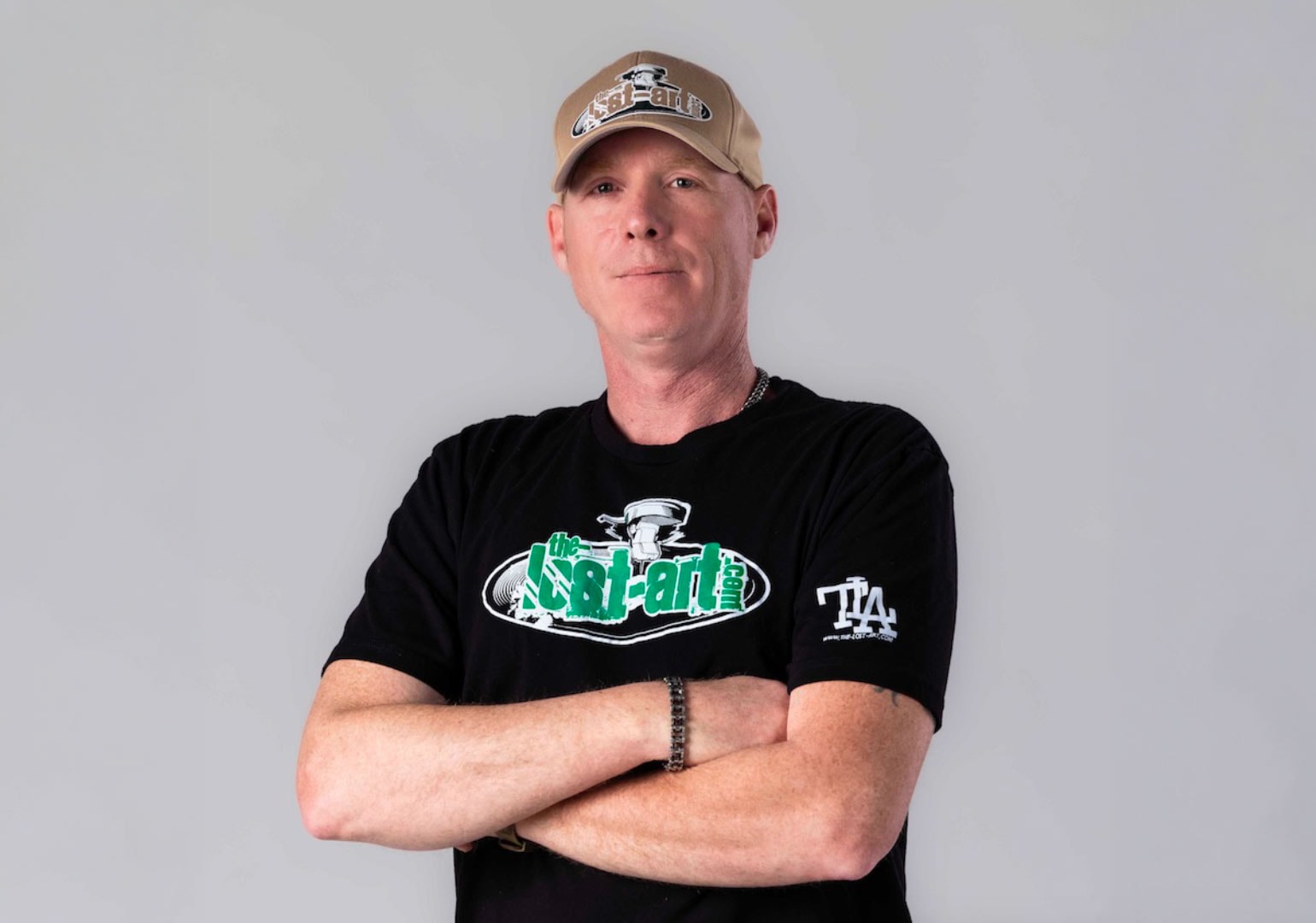
Breakbeat is one of the most influential and least understood genres in electronic music. DJ Natural Nate®, who co-founded Bruise Your Body Breaks in 1998 and has been DJing since 1996, traces the complete history of breakbeat music and explains why it remains the most authentic link between hip hop turntablism and electronic dance music.
What Breakbeat Actually Is
Breakbeat is a genre of electronic music built around the break: the percussion section of a funk, soul, or hip hop record, isolated and looped to create a rhythmic foundation. The term covers a broad family of related genres: Big Beat, Nu Skool Breaks, Electro Breaks, Funky Breaks, and others. What unites them is the break itself: a rhythmic pattern that is more complex and syncopated than the four-on-the-floor kick drum pattern of house and techno. The break creates space for turntablist technique in a way that four-on-the-floor music does not. It is the genre that most directly preserves the values of hip hop turntablism within the electronic dance music world.
The Origins: James Brown, Hip Hop, and the Break
The break has its origins in the funk and soul recordings of the 1960s and 1970s, particularly the recordings of James Brown and his various bands. The percussion sections of these recordings: the moments when the band stripped back to drums and bass, were the raw material that hip hop DJs discovered and exploited. Kool Herc's isolation of the break, his technique of extending it using two copies of the same record, created the foundation of hip hop music. The Amen break: a six-second drum solo from the 1969 recording Amen, Brother by The Winstons, became the most sampled recording in history, appearing in thousands of breakbeat, jungle, and drum and bass tracks. Every breakbeat track traces its lineage back to James Brown's drummers and the DJs who discovered what those drummers had created.
Every breakbeat track traces its lineage back to James Brown's drummers and the DJs who discovered what those drummers had created.
The 1990s Breakbeat Explosion
The UK Breaks scene of the 1990s was one of the most creative periods in electronic music history. Artists like Rennie Pilgrem, Adam Freeland, the Freestylers, and Stanton Warriors developed a sound that combined the rhythmic complexity of hip hop with the energy and production values of electronic dance music. The American Breaks scene developed in parallel, particularly in Florida, where the Miami bass tradition provided a natural foundation for breakbeat production. Labels like Finger Lickin', Botchit & Scarper, and Skint in the UK, and Moonshine, Astralwerks, and independent labels across the US, created the infrastructure for a global breakbeat community.
Breakbeat Goes Underground: The Labels, the DJs, the Culture
The underground breakbeat ecosystem was built on independent labels, white label releases, and a distribution network that operated largely outside the mainstream music industry. The culture valued authenticity, technical skill, and community over commercial success. The DJs who defined the sound, Adam Freeland, Freq Nasty, Krafty Kuts, Stanton Warriors, were known for their technical ability and their commitment to the culture. The events were underground: warehouse parties, club nights, outdoor raves. The culture was self-sustaining and deliberately resistant to commercialization.
DJ Natural Nate® and Bruise Your Body Breaks
Bruise Your Body Breaks (BYBB) was founded in 1998 by DJ Natural Nate® and Jenna Marie (Jiggabot) as an independent breakbeat brand. The name reflects the physical intensity of the music, breakbeat at its best is music that hits you in the body, that makes you move before you've decided to. Over the years, BYBB has become a respected name within the global Breaks scene, supporting artists, collaborations, releases, and events while remaining true to its underground roots. The brand's longevity, nearly three decades, is a testament to the commitment of its founders to the culture rather than to commercial success.
Bruise Your Body Breaks was never a business plan. It was a commitment to the culture.
The International Breakbeat Scene: Labels DJ Natural Nate Released On
DJ Natural Nate's releases have appeared on labels across the global breakbeat ecosystem: Underground Music Xperience (Netherlands), Frajile Recordings, 77Deuce Rec & Ent, Hoodwink Records, Carocell Music, Supremeja Music, ONE7AUDIO, and Subbbace Records, among others. Each of these labels represents a specific corner of the global Breaks community, different sounds, different aesthetics, different audiences, but a shared commitment to the underground values that define the genre. Releasing on international labels is not just a commercial achievement, it is evidence of a DJ and producer whose work is recognized and valued by the global community.
Breakbeat in Colorado: Building a Scene from Scratch
Building a breakbeat scene in Colorado required the kind of sustained commitment that most people are not willing to make. The genre had no natural infrastructure in Colorado, no established labels, no established venues, no established audience. DJ Natural Nate® and the Colorado breakbeat community built that infrastructure from scratch over 27+ years: the events, the relationships, the reputation. The United Undivided series, which ran for 10 editions, is the most visible evidence of that work. But the real work was the thousands of smaller shows, the relationships with promoters and venues, the years of building an audience one person at a time.
The Breakbeat Revival and Where the Genre Stands Today
Breakbeat has experienced a significant revival in the 2020s. New artists, new labels, and a renewed interest in the genre's history have brought breakbeat back into the conversation in ways that were not predictable a decade ago. The revival is not nostalgia, it is a genuine creative renewal, with new artists bringing new ideas to the genre while maintaining its foundational values. DJ Natural Nate® and Bruise Your Body Breaks are part of that revival, continuing to release music, perform, and support the community that has sustained the genre for nearly three decades.
Breakbeat never died. It went underground and waited for the culture to catch up.