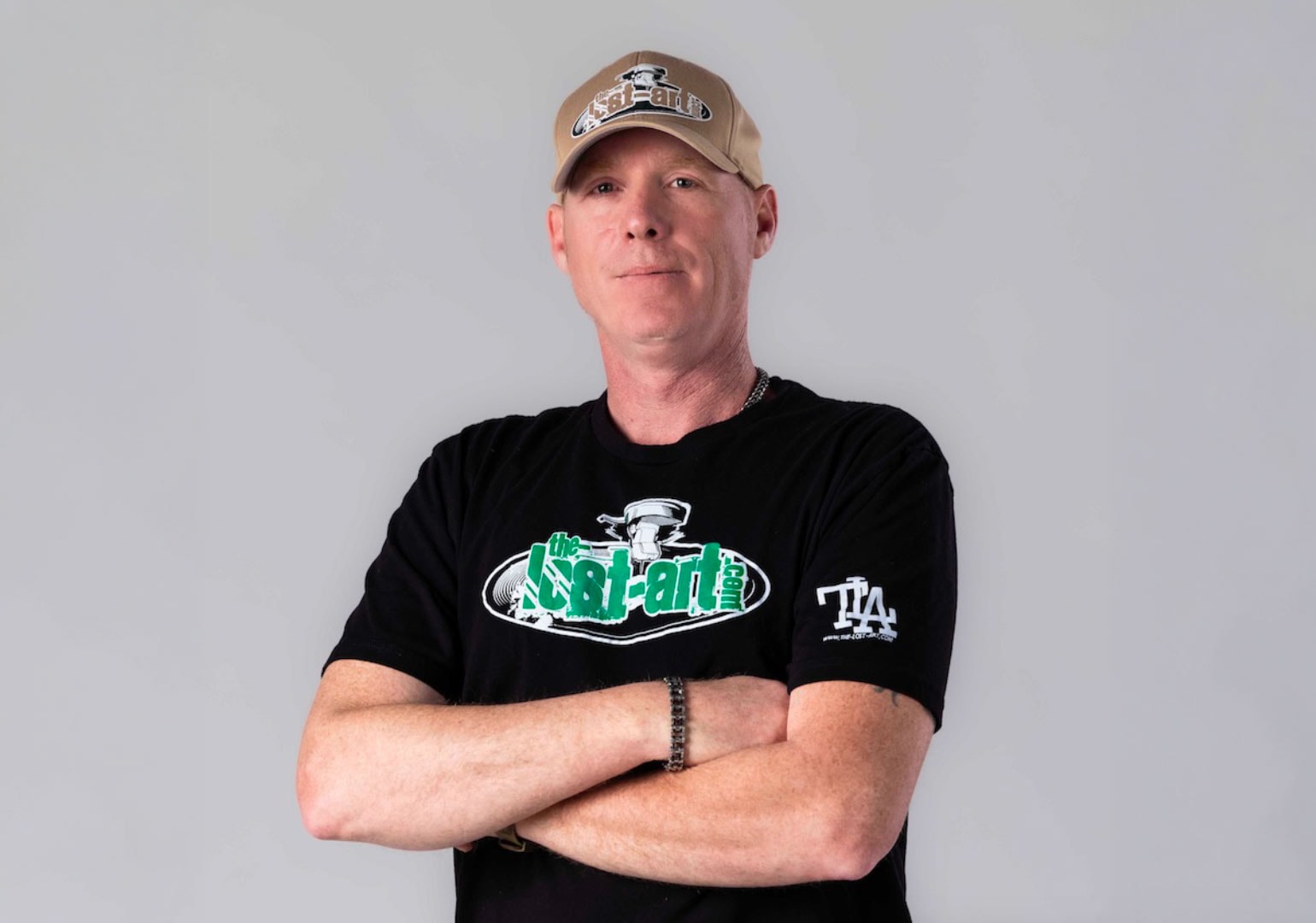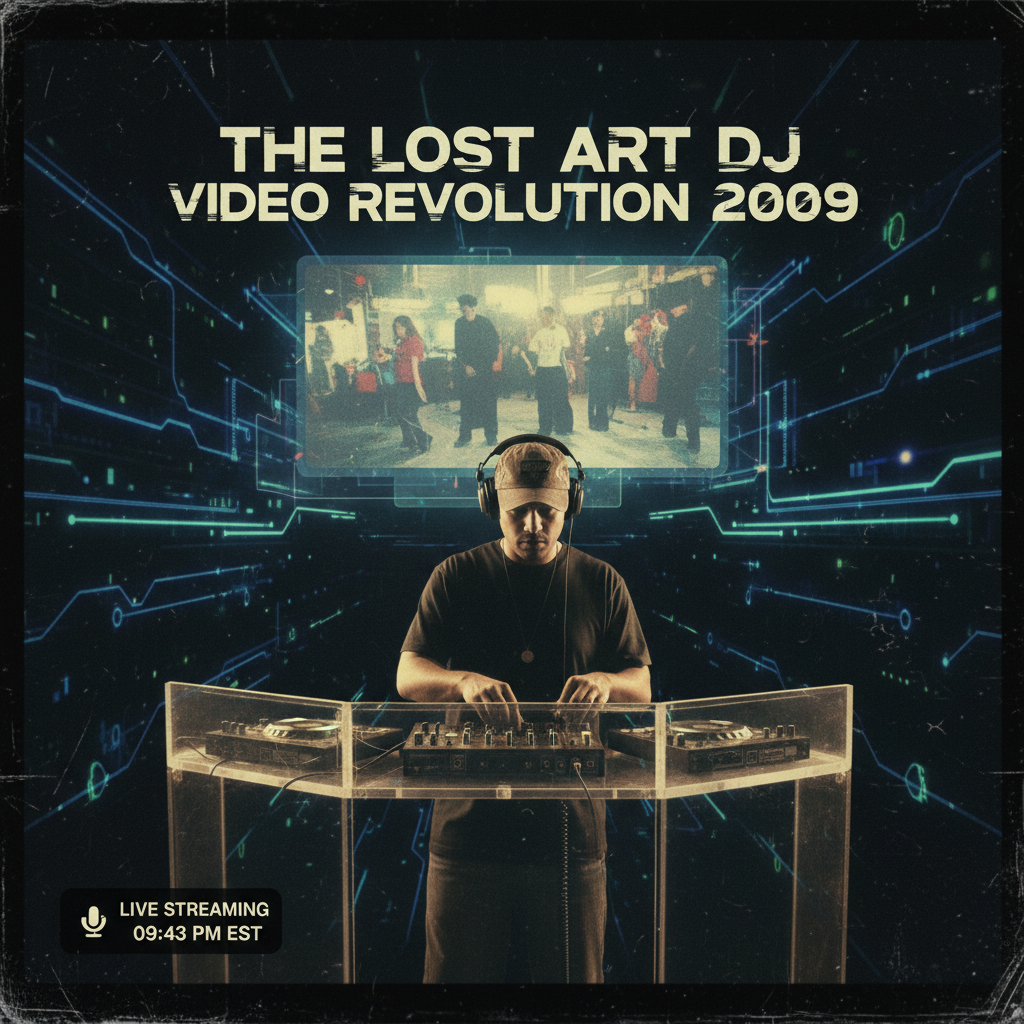
In 2009, a group of Colorado DJs and producers launched a website that would change the way the world thought about online DJ performance. The-Lost-Art.com™ was not just a streaming platform, it was a philosophy, a standard, and a revolution. The world's first custom, commercial free, mandatory live video DJ internet radio platform. This is the full story.
The Problem With Online DJing in 2008
By 2008, the internet had transformed music distribution beyond recognition. MySpace was the dominant social platform for musicians. SoundCloud was just launching. YouTube was three years old and still primarily a repository for cat videos and shaky concert footage. For DJs, the online landscape was almost entirely audio-based: mix tapes uploaded to file-sharing sites, radio streams on Shoutcast and Icecast, and the occasional low-quality video clip posted to early video platforms.
The problem was accountability. In the audio-only world, there was no way to verify what you were hearing. A DJ could upload a mix that was entirely pre-recorded, entirely auto-mixed, or, in the worst cases, not even their own work. The audience had no way to know. The culture of "proving the mix" that existed in physical DJ culture, where you could watch a DJ's hands and see exactly what they were doing, had been completely lost in the transition to online performance.
This bothered DJ Natural Nate® deeply. He had spent years developing real skills, beatmatching by ear, scratch techniques, live mixing, and the online world offered no way to distinguish his work from someone pressing play on a pre-recorded set. The underground Breaks community, which had always valued technical skill above all else, was being flattened into a format where skill was invisible.
The solution, he believed, was video. Not just video as documentation, but video as a requirement. If you wanted to perform on the platform, you had to be on camera. You had to show your equipment. You had to show your hands. You had to prove you were actually mixing.
"The culture of proving the mix had been completely lost in the transition to online performance."
Building The Platform
The-Lost-Art.com™ was built by a small, dedicated team. DJ Natural Nate® and his wife Jenna Marie, known in the scene as Jiggabot, were the creative and operational core. Damian Doyle brought technical expertise and helped architect the streaming infrastructure. Later, Kris Peacock would join the team and contribute significantly to the platform's growth and reach.
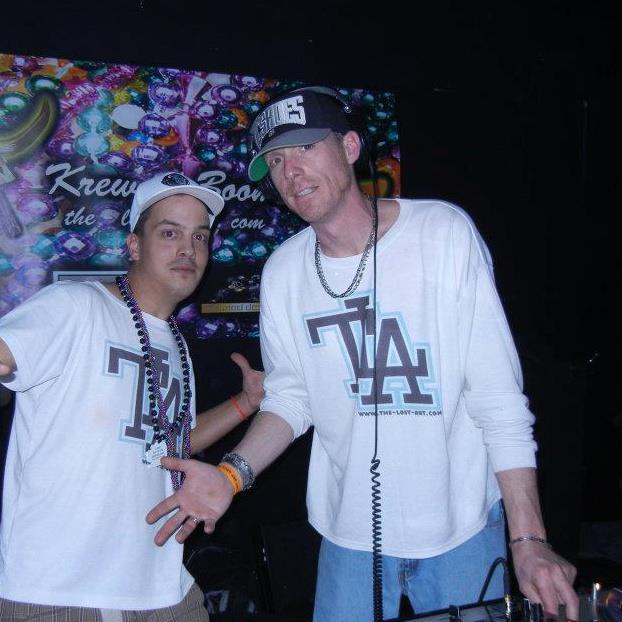
The early days, building the standard one performance at a time
Building a custom live video streaming platform in 2009 was not a trivial undertaking. The tools that make streaming easy today, OBS, Streamlabs, Twitch's RTMP infrastructure, YouTube's live API, did not exist. The team had to build their own solutions, working with the streaming protocols and server infrastructure available at the time. Flash-based video players were the standard. Bandwidth was expensive. Latency was a constant challenge.
But the technical challenges were secondary to the philosophical ones. The team had to define exactly what "proving the mix" meant in practice. What equipment had to be visible? How close did the camera have to be? What constituted a legitimate live performance versus a pre-recorded set being passed off as live? These were not just technical questions, they were questions about the values of the platform and the culture it was trying to preserve.
The answers they arrived at were strict. The camera had to show the DJ's hands and the equipment simultaneously. The equipment had to be real, actual turntables or CDJs, an actual mixer, actual records or media. The performance had to be live, not pre-recorded. And the DJ had to be identifiable, no anonymous performances, no hiding behind a logo or avatar. If you were going to claim the skill, you had to show the skill.
Preserving The Pitch
The tagline "Preserving The Pitch" was not chosen casually. In DJ culture, pitch refers to the tempo of a record: the BPM. Preserving the pitch means maintaining the integrity of the music, not letting it drift, not letting it fall apart. But the phrase carries a deeper meaning: preserving the standard, the craft, the culture.
The Breaks and Electro scene that The-Lost-Art.com™ served was a culture built on technical excellence. The DJs who came up in that scene, in Denver, in Colorado Springs, in the underground clubs and warehouse parties of the Mountain West, had developed real skills over years of practice. They could beatmatch by ear. They could scratch. They could read a room and build a set that took the audience on a journey. These were not skills that could be faked, at least not in person.
Online, they could be faked. And increasingly, they were. The-Lost-Art.com™ was a direct response to that erosion. By requiring video proof of live performance, the platform created a space where real skill was visible and valued. DJs who could actually mix were elevated. DJs who were relying on technology to do the work for them were exposed.
The response from the community was immediate and overwhelming. DJs from across the country, and eventually from around the world, applied to perform on the platform. The audience grew rapidly. The standard spread. Other platforms began to adopt similar requirements. The idea that a DJ should be able to prove their mix became, gradually, a mainstream expectation rather than an underground principle.
"Preserving The Pitch means preserving the standard, the craft, the culture."
The Legacy: Before Twitch, Before YouTube Live
Twitch launched its gaming-focused streaming service in 2011. YouTube Live became widely available in 2013. Facebook Live launched in 2016. By the time these platforms made live streaming mainstream, The-Lost-Art.com™ had been doing it for years, with a higher standard, a more specific focus, and a deeper commitment to the culture it served.
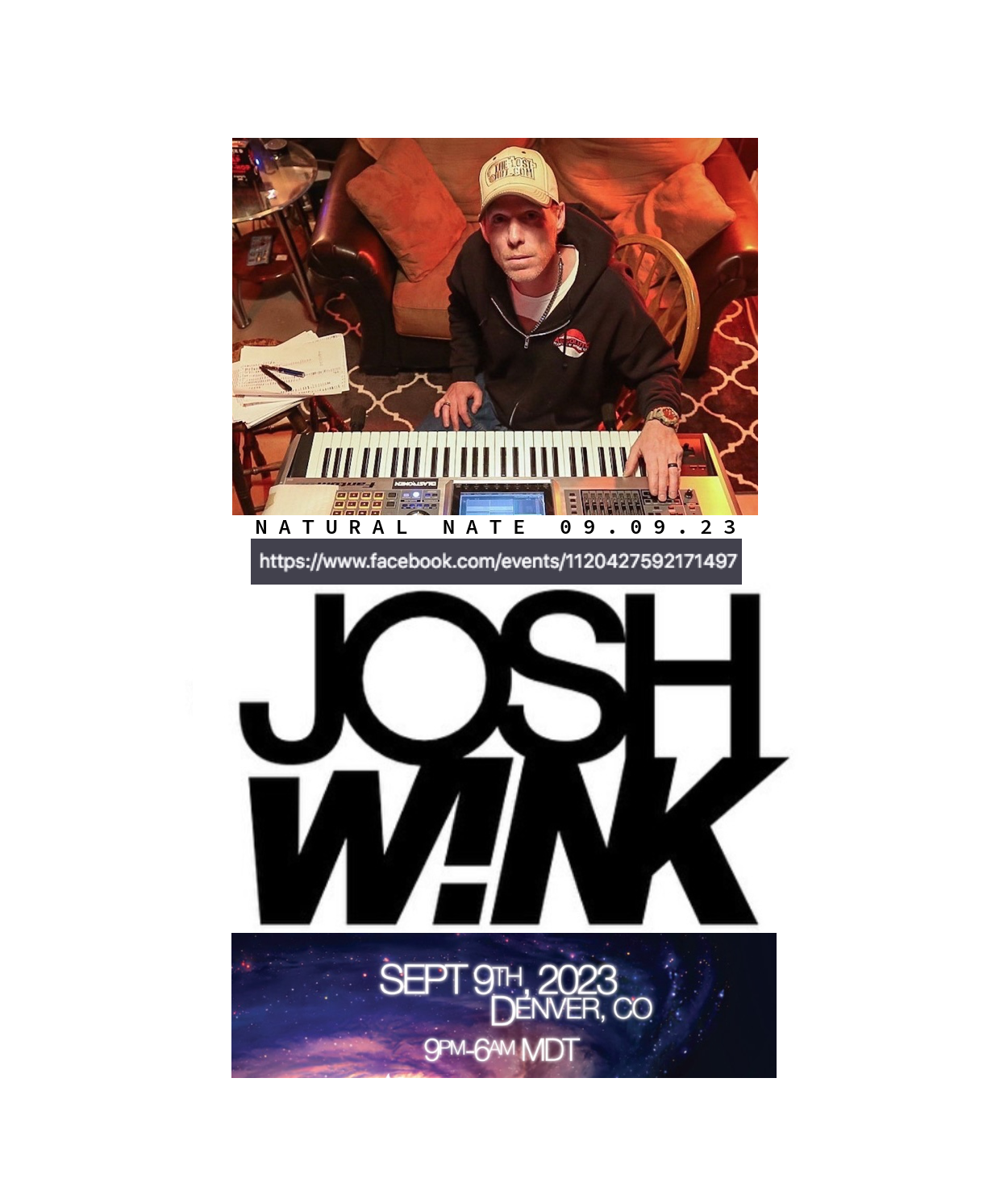
The legacy reaches the highest levels, DJ Natural Nate® with Josh Wink, September 2023
The historical significance of this is difficult to overstate. The-Lost-Art.com™ was not just an early streaming platform, it was a proof of concept that live video streaming of skilled performance could build a dedicated, passionate audience. The model that Twitch would later use to build a billion-dollar business, live performance, real-time audience interaction, community around specific skills and genres, was pioneered in the underground Breaks scene by a small team in Colorado.
Nate has never sought credit for this in the mainstream tech press. The story of The-Lost-Art.com™ is not a story about venture capital or Silicon Valley. It is a story about a community of DJs who cared deeply about their craft and built the tools they needed to preserve it. The fact that those tools turned out to be ahead of their time is not a coincidence, it is a reflection of the clarity of vision that comes from genuine passion.
It is worth noting that the vast majority of those thousands of live broadcasts were never uploaded to YouTube or any public platform. Nate has always been meticulous about copyright and producer rights, if a mix features another artist's music without clearance, it does not get published. That is not a limitation. That is integrity. The performances happened. They were witnessed live. The archive exists, and it is being released gradually to this day.
Today, The-Lost-Art.com™ continues to operate. The standard has not changed. The philosophy has not changed. Prove the mix. Show your hands. Preserve the pitch. In a world where AI can generate music, where sync buttons can beatmatch for you, where the line between performance and playback has never been more blurred, that standard matters more than ever.
Photo Archive
Right-click any photo to save, or use the buttons below each image to download or copy the link for social media.
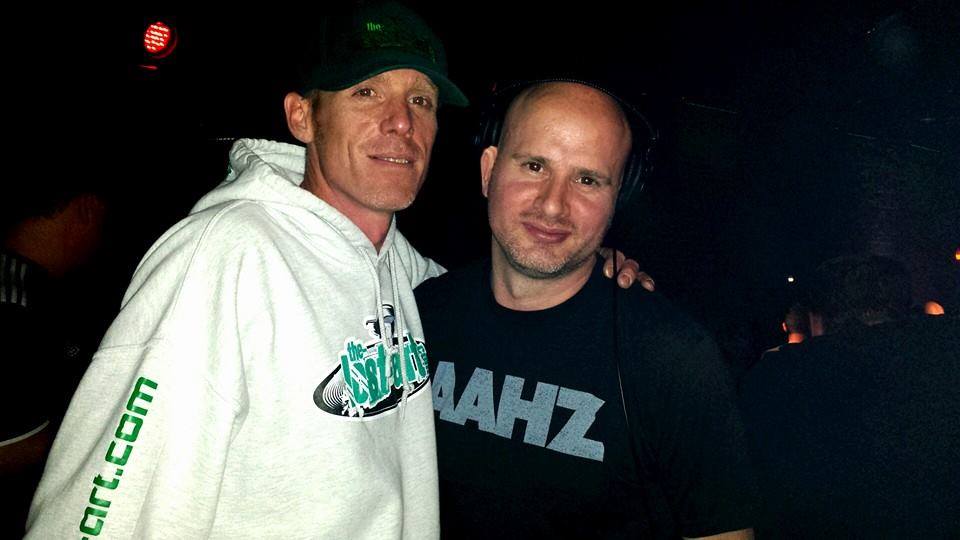
Live and on camera: the standard The Lost Art set
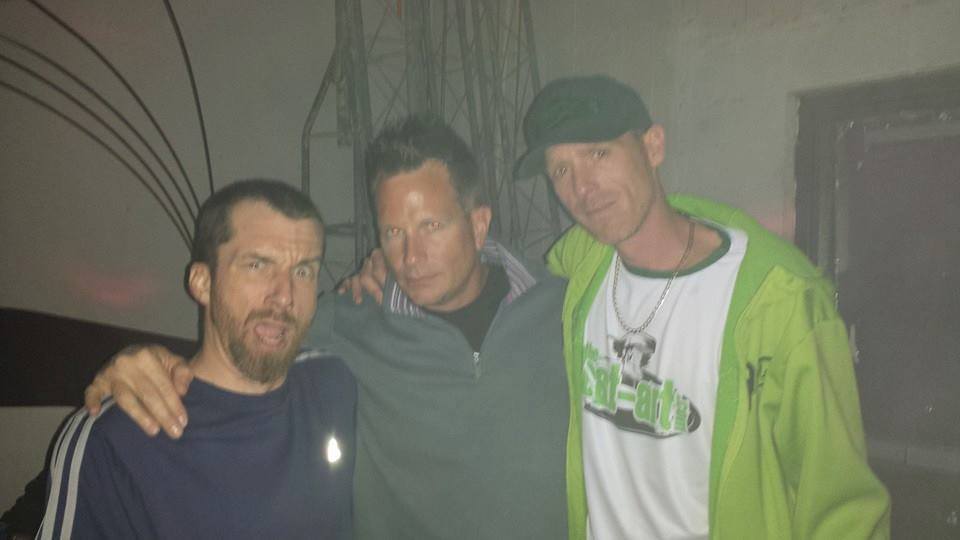
Every performance documented, every mix proven
The-Lost-Art.com™, Preserving The Pitch since 2009
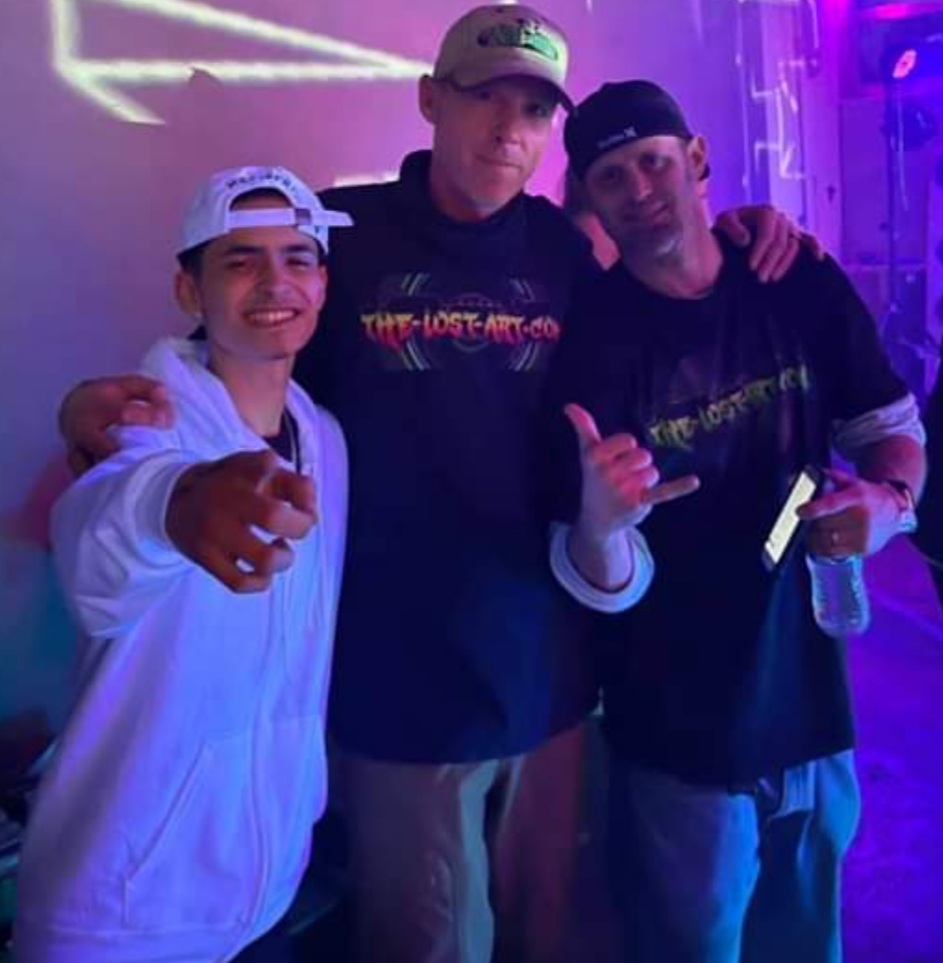
The legacy continues, still proving the mix